



Treat the transition as a season, not a single day
Moving from elementary to middle school changes more than a student’s classroom. There may be new adults to approach, several rooms to find, different expectations for assignments, and more responsibility for keeping track of materials. Students can feel excited, uncertain, or both. Those responses are normal; they do not predict how well a student will do.
The most useful support starts before the first day and continues into the opening weeks. Instead of expecting one orientation to answer every question, schools and families can provide repeated opportunities to see, practice, ask, and revisit. A student who forgets a locker combination or feels lost on the first morning needs a next step—not a label about readiness.
This approach fits naturally within The K–8 Family Growth Guide: Practical Ways to Support Learning, Habits & Transitions. Its central idea is that learning, routines, relationships, and transitions connect. Preparing for middle school is not just a tour or a checklist; it is a chance to build habits and trusted connections together.
Make the unfamiliar visible and manageable
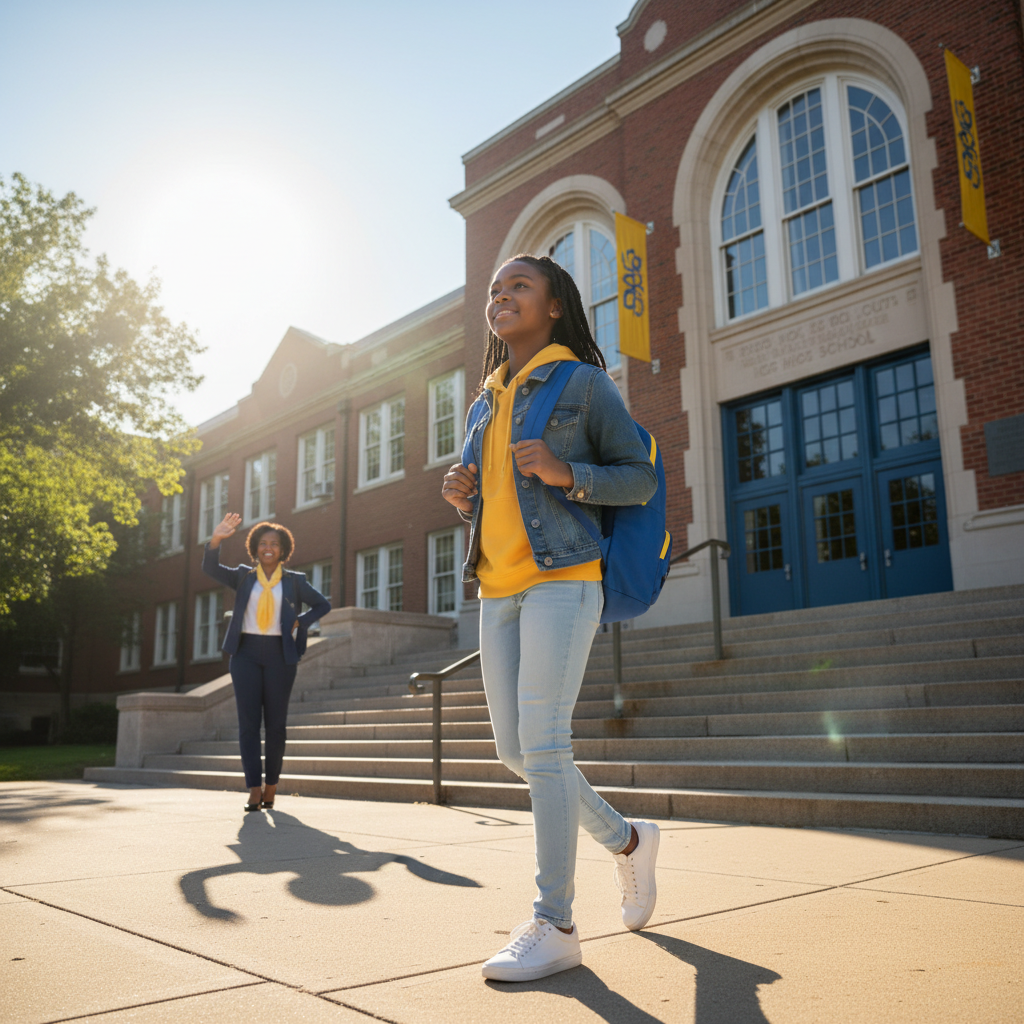
Whenever possible, let students experience the new environment before it becomes part of a hurried school day. A walk through the building can include finding the main office, bathrooms, cafeteria, library, and a sample route between classes. Invite students to try a locker or locate a classroom on a map. If an in-person visit is not possible, a printed map, photographs, or a conversation about the daily schedule can still make the setting more concrete.
Keep the visit low-pressure. Some students will want to explore every hallway; others may prefer to focus on one or two important places. Offer a simple prompt: “What would you like to find out before your first day?” Then give the student time to lead, notice, and ask. Families can add practical questions about arrival, dismissal, meals, or who to contact when something goes wrong.
When a student names a worry, respond with a usable plan. For example, “If you can’t find science, look at your schedule, then ask the nearest staff member to help.” Rehearsing a few such moves is more reassuring than promising that nothing will be difficult.
Build routines through practice, not pressure
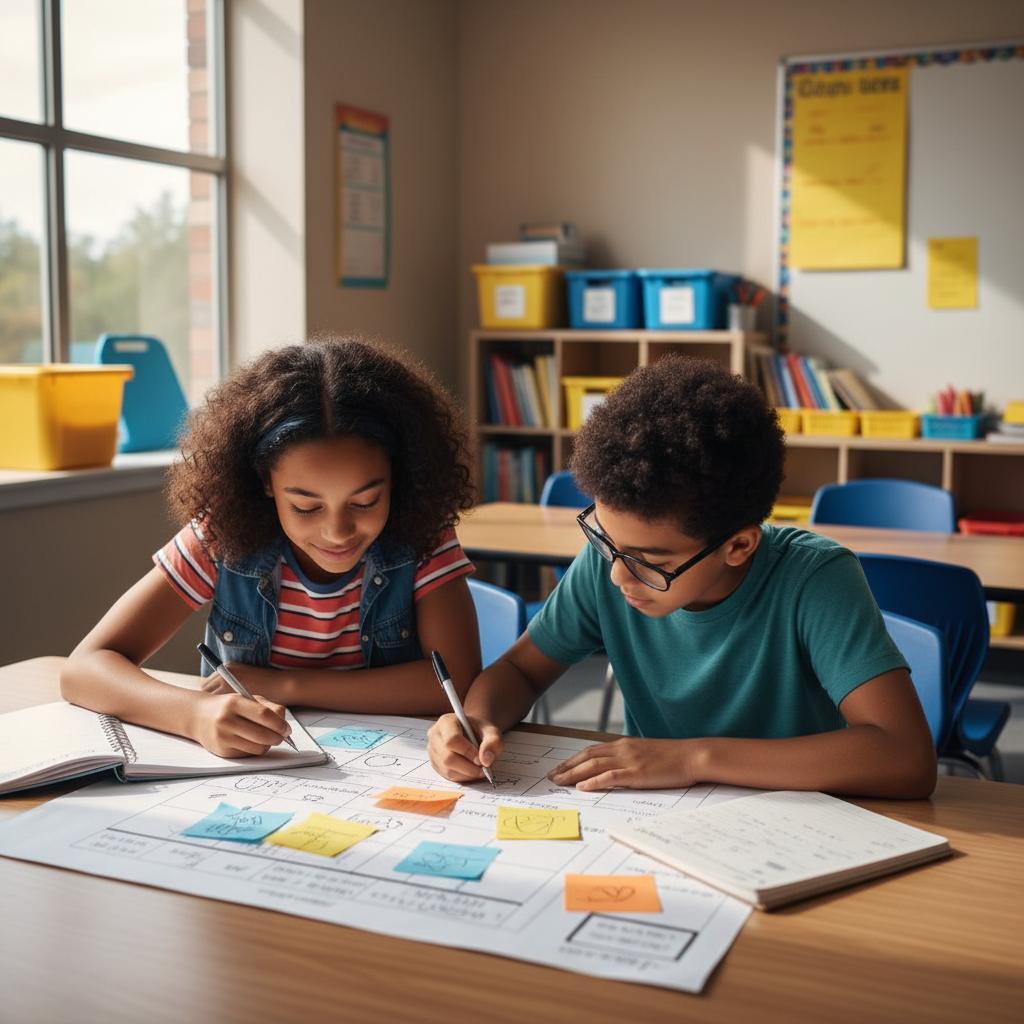
Middle school often asks students to manage materials and deadlines across several classes. Those skills can be taught in small, ordinary steps. Before school begins, practise packing a bag with the items needed for the next day, checking a planner or schedule, and choosing a consistent place for school materials at home. Keep the system simple enough for the student to use independently.
At first, practise together: “Let’s check the schedule and pack for tomorrow.” Over time, shift responsibility gradually. A student might pack independently while a caregiver asks one brief check-in question. If a routine breaks down, look for the point of friction. Is the planner difficult to read? Is there no quiet place for supplies? Does the student need a visual reminder? Adjusting the setup is more helpful than interpreting a forgotten notebook as a lack of care.
Avoid introducing too many systems at once. A calendar, binder, digital reminder, and multiple family checklists can compete for attention. Choose one or two tools the student understands, agree on when to use them, and review whether they are working. The goal is not perfect organization; it is a recoverable routine the student can learn to manage.
Connect students with people, not just procedures
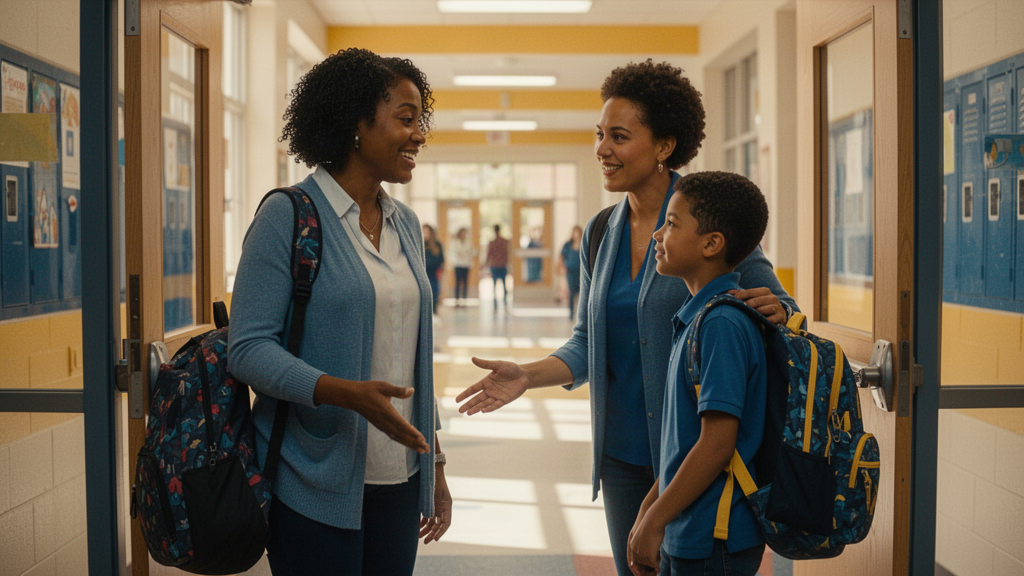
Knowing who can help is a core transition skill. Identify a few approachable adults at school, such as a homeroom teacher, counselor, office staff member, or another designated contact. Explain what each person can help with and how to find them. Students can practise a short opening such as, “I’m not sure where to go next. Can you help me check my schedule?”
Families and school staff can also agree on a clear communication route for transition questions. Students should know how to report a problem, while caregivers should know whom to contact if a concern persists. Clear pathways reduce guesswork and make it easier to address practical barriers early.
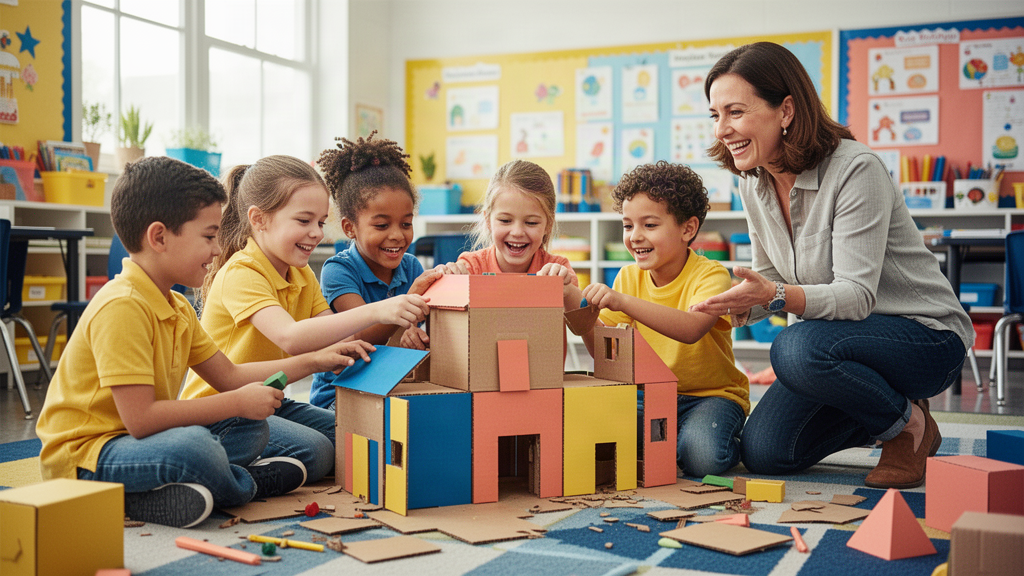
Connection does not require a student to speak confidently in a group or make friends immediately. Offer varied ways to participate: a small-group activity, a partner task, a club visit, or a quiet conversation with an adult. Honor a student’s pace, interests, language, and comfort. The aim is to help each student find meaningful ways to belong, not to prescribe one social style.
Partner with families around the individual student
Families know what helps a student feel prepared, where routines tend to become difficult, and which strengths the new school can build on. Schools can invite this knowledge through specific, welcoming questions: “What helps your child recover when plans change?” or “What is one strength you hope we notice early?” Share information in accessible language and offer a way to respond that works for the family, including translation or a conversation by phone when available.
A useful transition conversation includes both support needs and possibilities. A student who benefits from written directions may also be a thoughtful collaborator. A student who needs more time to navigate a new building may be eager to take on a leadership role once familiar. Keep communication focused on what adults can do next, and include the student’s perspective whenever appropriate.
If the first weeks bring difficulty, coordinate rather than sending separate, conflicting instructions home and to school. Pick one manageable concern, agree on a consistent response, and set a time to check whether it helped. This makes the plan understandable to the student and gives adults a chance to adjust without blame.
Use the opening weeks as a learning loop
A smooth orientation cannot anticipate every challenge. During the first few weeks, brief check-ins can reveal what is going well and what needs attention. Ask concrete questions: “Which part of your day feels easiest?” “When do you feel unsure what to do?” “What would make tomorrow a little easier?” Listen for patterns rather than treating one hard day as a verdict on the transition.
If several students are confused about the same routine, the response may be to clarify directions or practise the routine with the group. If one student is struggling with a particular transition, offer an individualized support such as a map, a check-in, or a planned route. Protect student dignity: share personal information only with people who need it to provide support, and avoid comparing one student’s pace with another’s.
Review the plan with the student and family after trying it. Name what helped, what did not, and what to change next. This kind of small, respectful adjustment reflects whole-child support without reducing a student to a list of difficulties. When ONWARDology is discussed, it should be understood as a synthetic-data preview, not a production school system.
A practical transition checklist
Before school: Walk or review the route through the building; locate key spaces; practise reading the schedule; try the locker or materials routine if applicable; prepare one or two organizational tools; identify adults and a simple way to ask for help; and invite the student to name a question or hope for middle school.
During the first weeks: Check in without turning every conversation into an evaluation; notice strengths as well as snags; keep home routines predictable where possible; contact the school early about barriers that persist; and agree on one small adjustment at a time. Make room for rest and for conversations that are not about school.
For educators, close each check-in by confirming the next move: who will do what, when the student can expect support, and how the team will find out whether it helped. For families, keep the invitation open: “You can tell me what is going well or what you want help figuring out.” A successful transition is not a promise of effortless adjustment. It is a shared process that makes the next challenge easier to face, one relationship and routine at a time.
Explore the related guide: Read the topic pillar
See the idea in motion.
Explore the ONWARDology interactive preview, built around a K–8 growth journey using illustrative student profiles.
Open the preview