


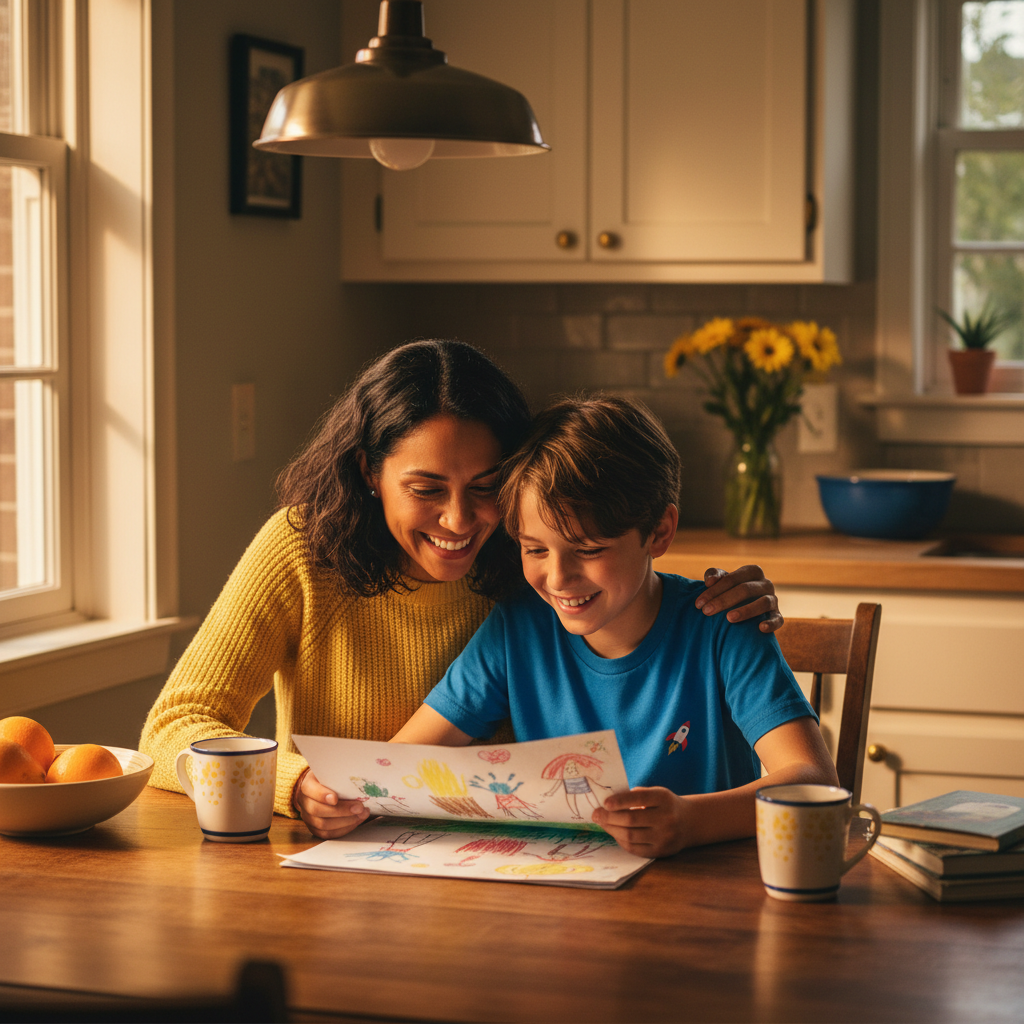
Start with what families already know
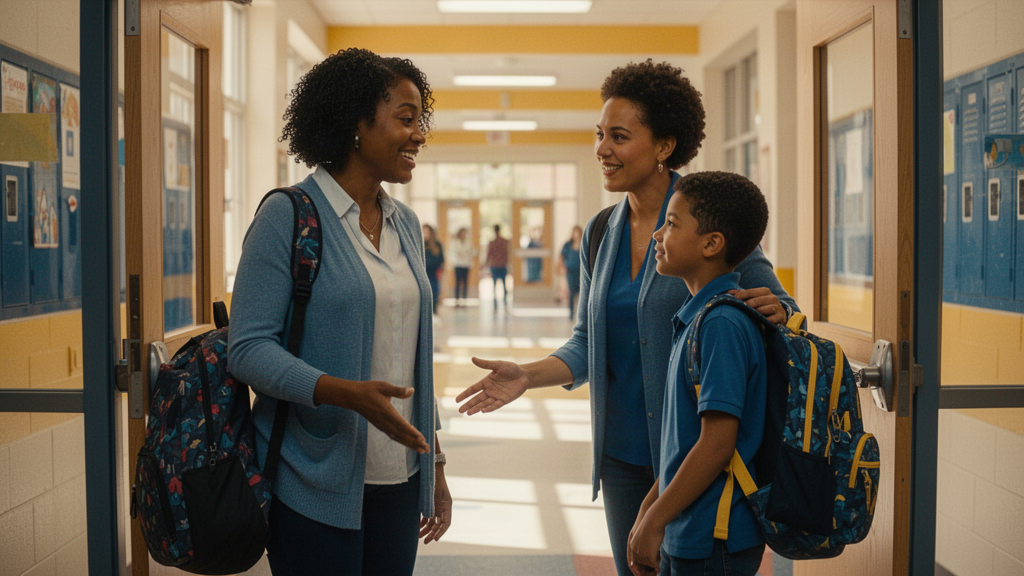
Families see strengths that may never show up on a report card: the child who fixes a neighbor's bike, teaches a sibling a game or asks thoughtful questions on the walk home. Those observations can help educators see more of the learner.
A useful invitation begins with an open question and a specific action, not a demand that every family participate in the same way.
Give the conversation a next move
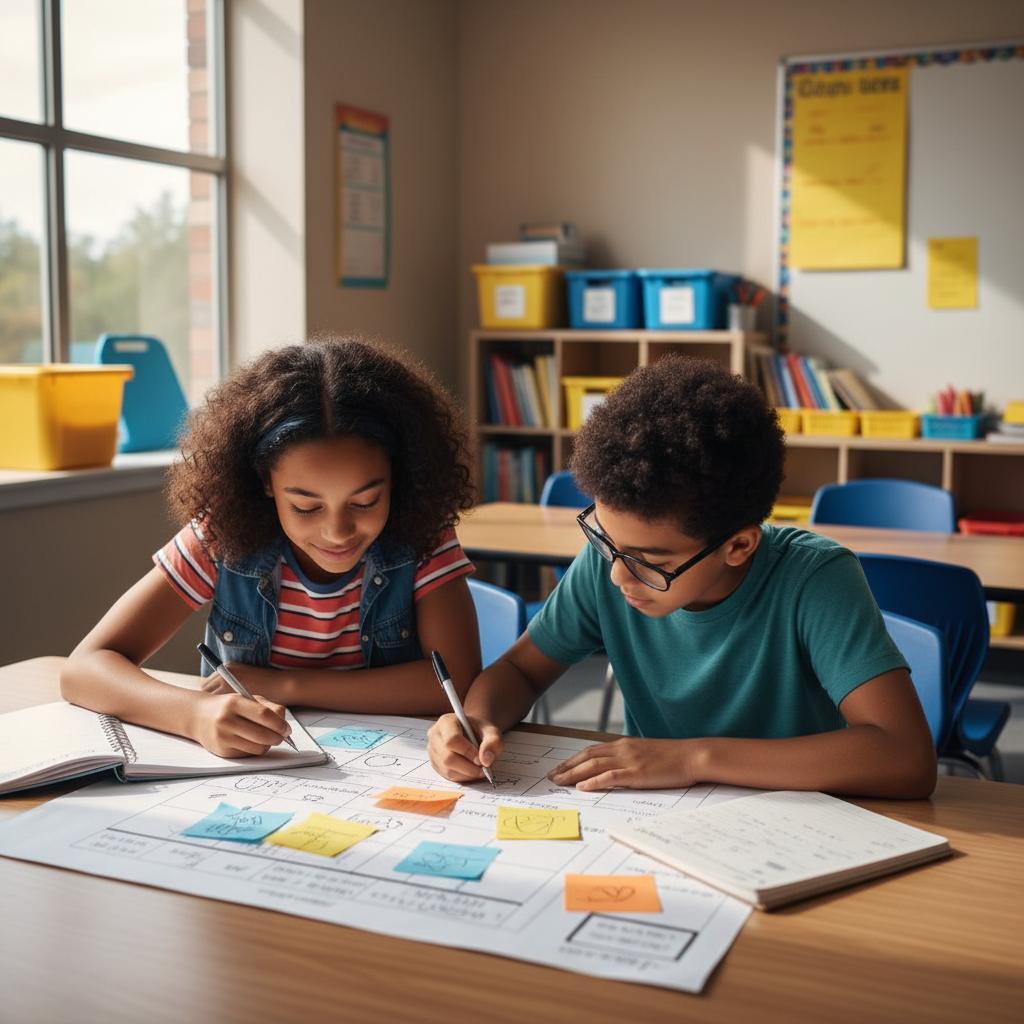
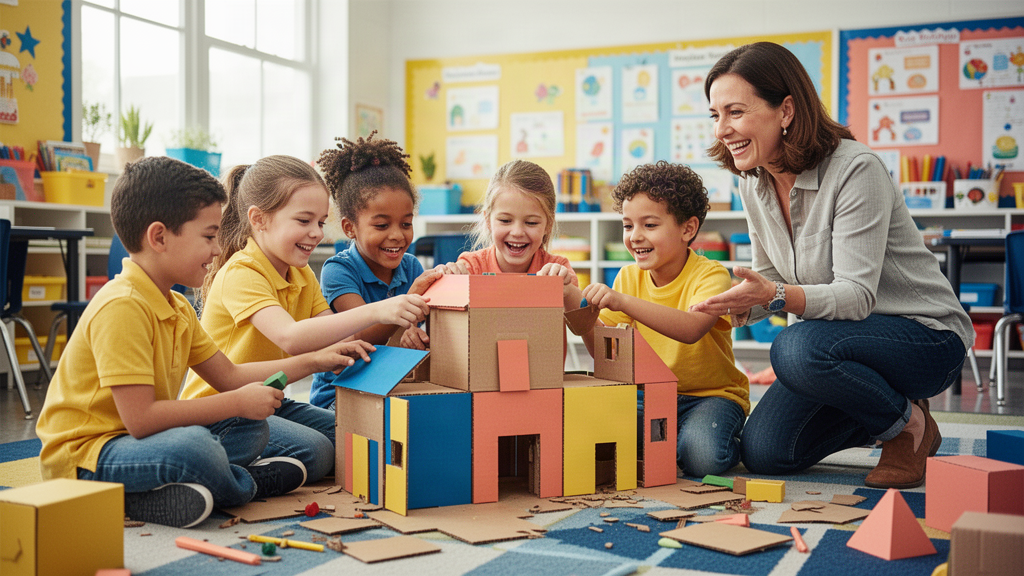
“Support learning at home” is too broad. “Ask your child what they made this week and what they would change next time” is a real conversation. The move should fit the child's age, language and circumstances.
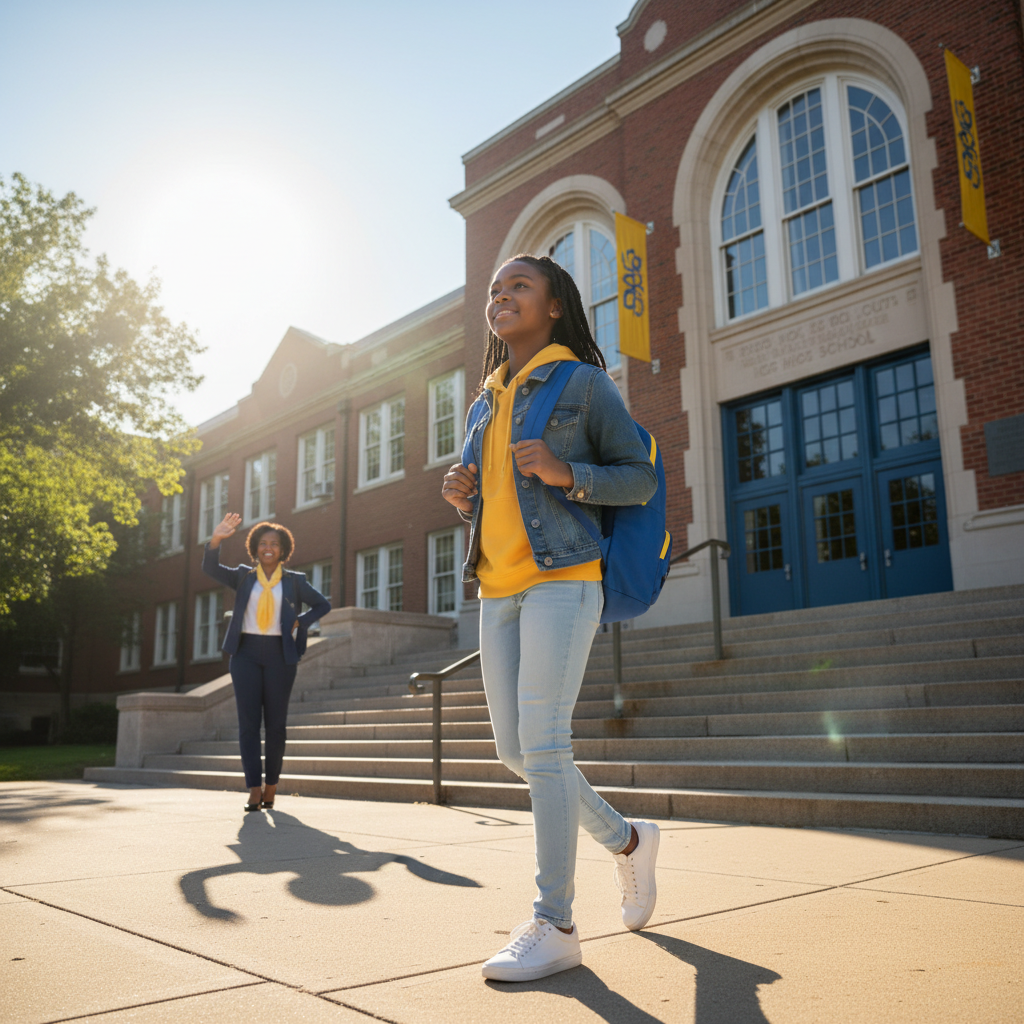
The family can celebrate progress, name a strength or connect the child with a community experience. The goal is connection and agency, not another checklist.
Design for access and dignity
Some caregivers work nontraditional hours. Some prefer a language other than English. Some children rely on grandparents, relatives or trusted adults. Good family engagement gives people more than one way to participate and respects the expertise they bring.
ONWARDology's proposed growth loop places families and community beside educators in the story of progress. The current product preview demonstrates the concept with sample data; live family accounts and school integrations remain future work.
See the idea in motion.
Explore the ONWARDology interactive preview, built around a K–8 growth journey using illustrative student profiles.
Open the preview