



Make a goal feel like a next step
For students in grades three through five, goal setting works best when it begins with something they can notice and influence. “Get better at math” may express a real hope, but it is too broad to guide tomorrow’s choices. “When I solve a multi-step problem, I’ll underline the question and show my steps” gives a student a move to practice and a teacher something to discuss.
The aim is not to make children responsible for every result. Learning is shaped by instruction, time, opportunity, relationships, and circumstances outside a student’s control. A useful goal focuses on a practice, strategy, or help-seeking move the student can try, while adults remain responsible for providing appropriate teaching and support. Treat the goal as a shared plan—not a judgment of a child’s character.
Start with evidence the student can understand
Before asking a child to name a goal, look together at a small piece of evidence: a writing sample, a reading response, a math explanation, feedback from a recent task, or a student’s own account of what felt easy or difficult. Ask, “What are you proud of here?” and “What is one part you want to practice?” These questions help students see both strengths and possibilities.
Keep evidence concrete and age-appropriate. A third grader might compare two pieces of work and notice that the newer one includes more details. A fifth grader might review a problem-solving explanation and identify where a diagram helped. Avoid turning a single score or rough day into a story about ability. Evidence is a starting point for curiosity, not a label.
Shape a goal together
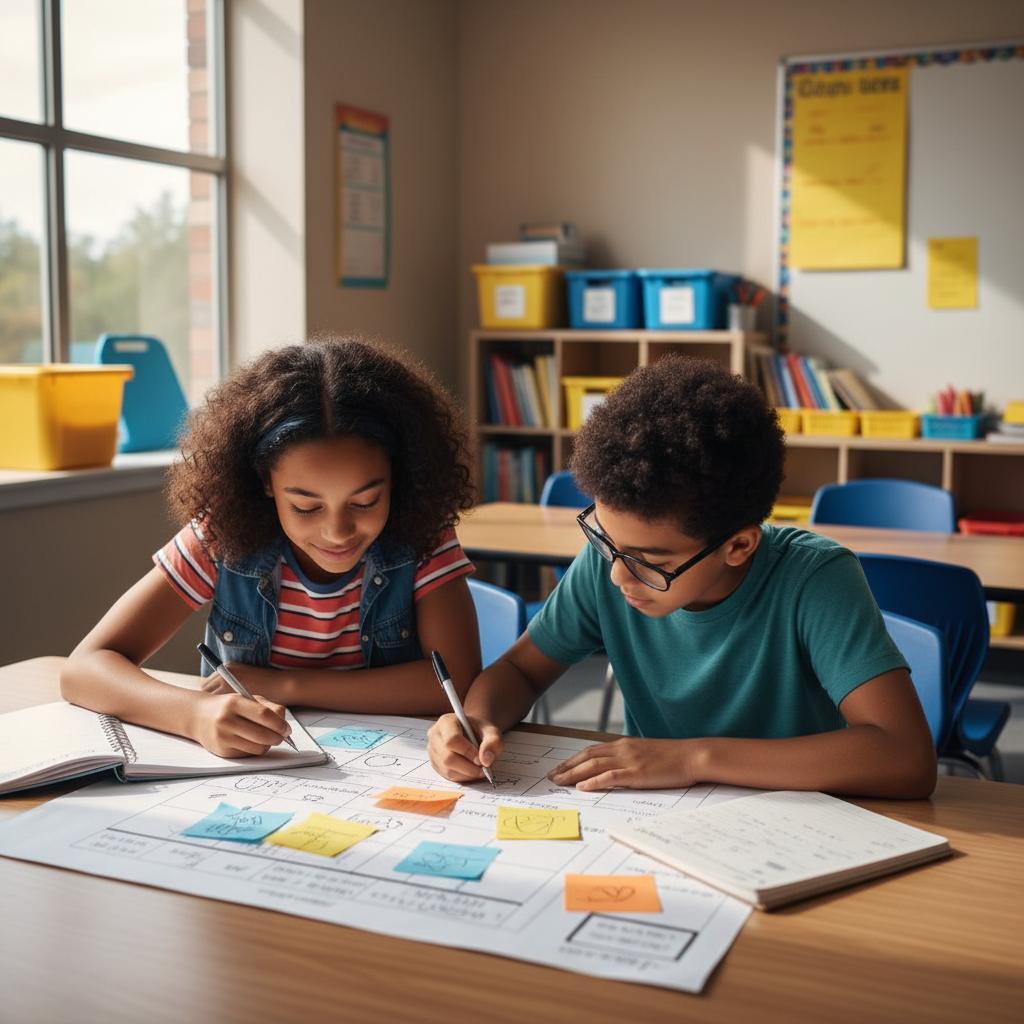
A simple goal has three parts: what the student wants to improve, a strategy they will try, and when they will check in. For example: “During independent reading, I’ll pause after each section to tell the main idea. On Friday, I’ll look at my notes with my teacher.” The goal names an action and a review point without promising an outcome the student cannot fully control.
Offer a few choices if an open-ended question feels overwhelming. A teacher might say, “Would you like to practice explaining your thinking, checking your work, or choosing a strategy when you get stuck?” Let the student adjust the language so it sounds like theirs. Keep the plan to one priority at a time; several simultaneous goals can make reflection feel like another assignment rather than a useful routine.
Make progress visible without making it a competition
Choose a tracking method that fits the goal: a dated note, a short reflection, a sample of work, or a simple check-in card. The record should help the student answer, “What did I try, what did I notice, and what might I try next?” It does not need to be elaborate, and it should not rank students against one another. The purpose is to make learning easier to discuss.
Build in brief, predictable check-ins—perhaps once a week or at the end of a relevant lesson. Ask what strategy the student used, what helped, and what support would be useful. If progress stalls, revise the plan with the student and examine the learning conditions: Was there enough practice? Was the direction clear? Would modeling, a different resource, or adult support help? A changed goal can reflect thoughtful problem-solving, not failure.
Connect classroom goals to families and longer-term growth
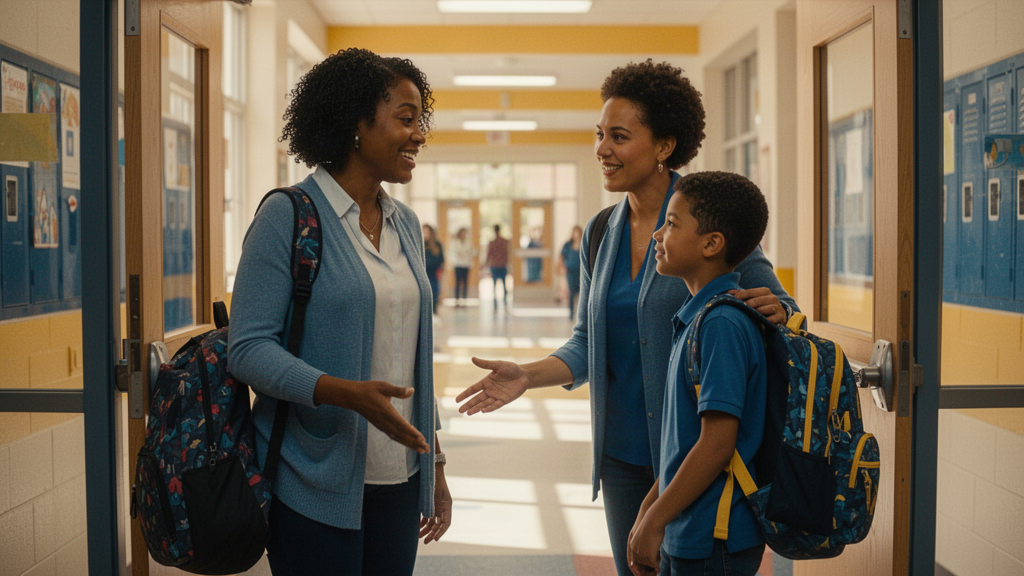
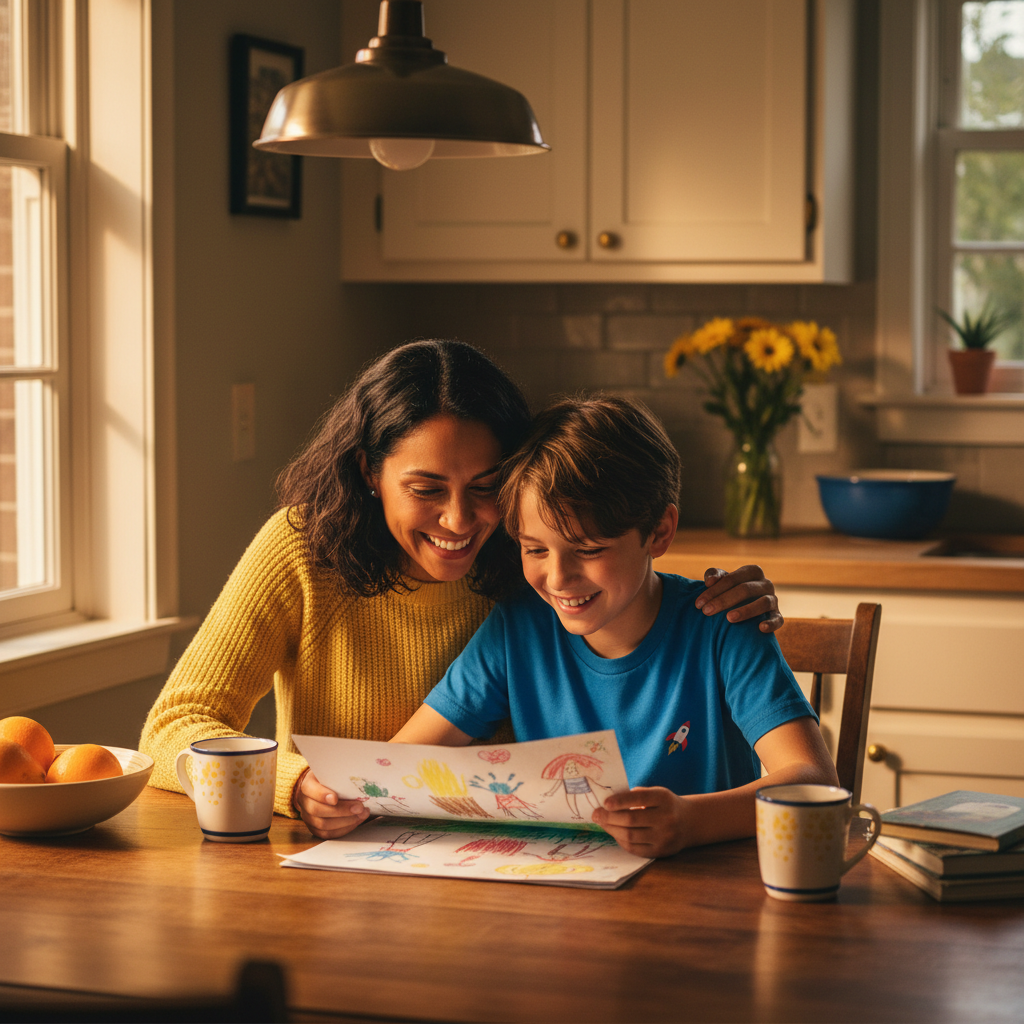
Family partnership can be simple and respectful. Share the student’s goal in plain language, explain the strategy being practiced, and invite families to respond if they wish: “What helps your child stay with a challenging task at home?” Avoid implying that a family must provide materials, tutoring, or extra time for the goal to count. Schools can make the plan accessible and offer practice opportunities during the school day.
Over time, keeping student reflections and selected work together can help children see how their thinking changes across assignments and school years. This connects naturally to the broader K–8 Student Digital Portfolios & Longitudinal Growth Profiles pillar: a portfolio can support continuity when it preserves meaningful evidence and the student’s own reflections, not just scores. Any digital record should be used thoughtfully, with clear educational purpose and appropriate school practices for handling student information.
A 10-minute goal-setting routine
Use this repeatable sequence at the start of a learning cycle. First, the student chooses one work sample or learning moment to discuss. Next, student and teacher name a strength and an area to practice. They agree on one observable strategy and a check-in date. At the check-in, they review what the student tried, recognize effort and learning, and decide whether to continue, adjust, or choose a new next step.
Keep the conversation warm and specific. Instead of “You need to focus more,” try, “When the directions have several parts, which one could you mark first?” Instead of praising only a final result, notice a useful process: “You checked your diagram against the question before answering.” Specific feedback gives students language for strategies they can use again.
Teacher checklist: keep goals useful and humane
Before a goal-setting conversation, check that the goal is meaningful to the student, connected to a real piece of learning, and focused on an action the student can practice. Confirm that the student understands the strategy, knows when the two of you will review it, and has access to the instruction and materials needed to try it.
During follow-up, ask what the student noticed before deciding what the record means. Recognize effort, strategy use, and help-seeking without treating one outcome as a verdict. Adjust the plan when circumstances or learning needs call for it. Invite family input without shifting school responsibilities onto families. Above all, let students participate in defining progress: a good goal helps a child understand a next step while reminding them that they are more than any single assignment, score, or checkpoint.
Explore the related guide: Read the topic pillar
See the idea in motion.
Explore the ONWARDology interactive preview, built around a K–8 growth journey using illustrative student profiles.
Open the preview