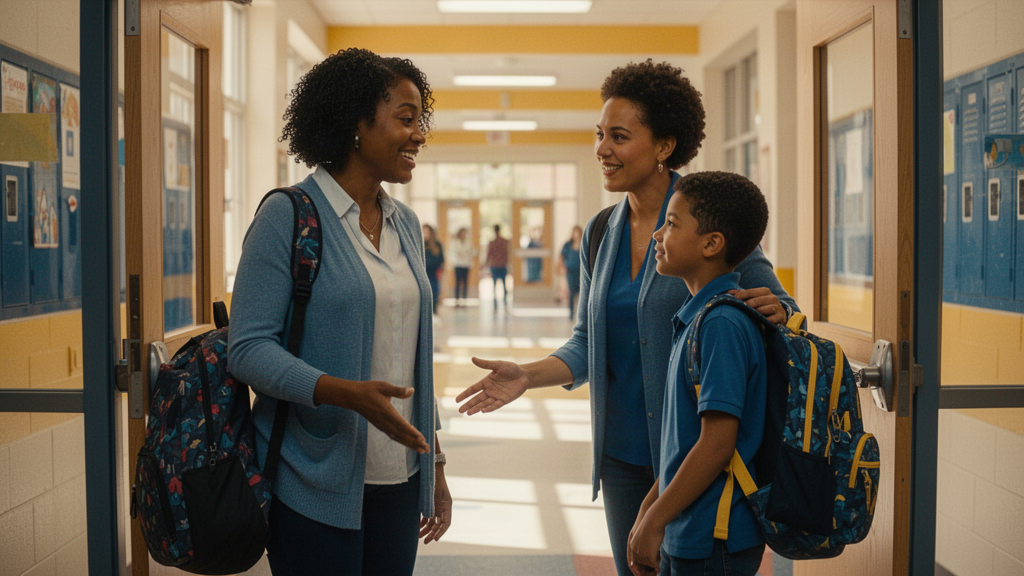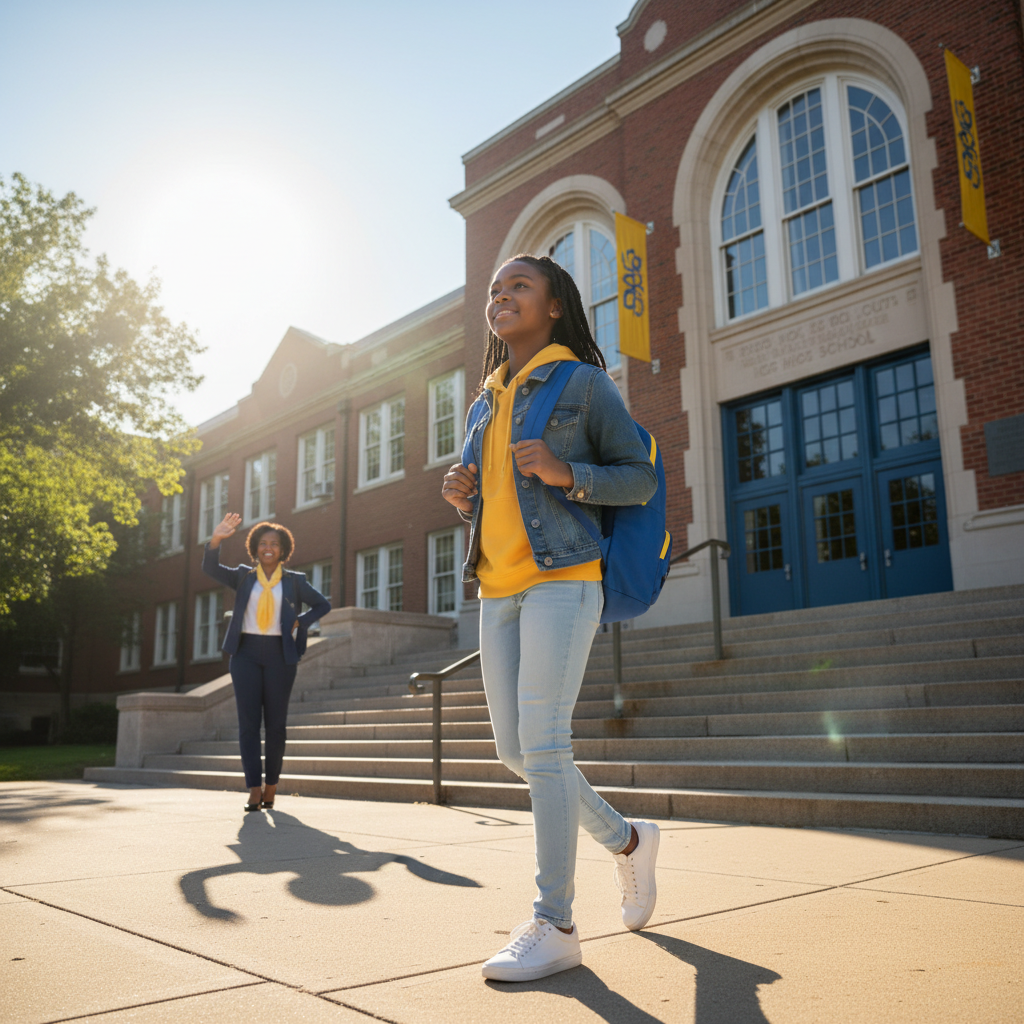




Treat the return as a relationship moment, not a test
A student returning after chronic absence may be carrying more than missed assignments. They may be worried about peer reactions, uncertain about classroom routines, or unsure whether adults are frustrated with them. A restorative re-entry plan begins by making return feel possible: the student is welcomed, their dignity is protected, and the next steps are clear. The purpose is not to erase the impact of missed time. It is to address that impact without turning a student’s attendance history into their identity.
Middle school adds particular pressures. Students are navigating changing classes, social dynamics, increasing independence, and different expectations from different teachers. A return plan should therefore be coordinated enough to reduce confusion but flexible enough to fit the student, the family, and the circumstances. Avoid assuming that one explanation or one intervention will fit every absence. Start with respectful curiosity, not a verdict.
Prepare before the student walks back in
When possible, identify one trusted staff member to coordinate the return. That person can check with the student and family about practical needs, clarify the first day’s schedule, and make sure the student knows where to go. A short, private message can communicate welcome and offer choices: “We’re glad you’re coming back. Would you rather check in before first period or meet during advisory?” Keep contact manageable and avoid requiring a student to explain sensitive details to multiple adults.
Coordinate with teachers on a small number of immediate priorities. Decide what is essential to resume learning now, what can be completed later, and what can be waived or replaced under school policy. Give teachers a brief, need-to-know plan rather than unnecessary personal information. If the student missed a unit, for example, a teacher might identify one prerequisite skill and provide a concise way to practice it instead of handing over a stack of every missed worksheet.
Plan for the ordinary logistics that can make a return feel exposed: access to materials, lunch arrangements, transportation questions, a place to ask for help, and how the student will rejoin group work. These details are not extra niceties; they reduce avoidable friction on a day that may already feel difficult.
Hold a brief, student-centered re-entry conversation
A re-entry conversation should be private, brief, and focused on what helps the student participate. Begin with a genuine welcome. Then ask open, nonjudgmental questions such as, “What would make today feel manageable?” “Is there anything about returning that you’re worried about?” and “Who would you like to check in with if the day gets hard?” Let the student pass on a question. Do not ask them to disclose medical, family, or other private information in order to earn support.
Include the family in a way that respects their knowledge and capacity. Ask what communication method works best and whether there are barriers the school can help address. Families may have competing responsibilities, limited access to transportation or technology, health concerns, or other pressures. Listen before offering solutions, and agree on one next contact rather than promising more than staff can sustain.
If the absence involved harm or conflict at school, do not rush a face-to-face meeting between the student and others involved. First assess readiness, safety, and what each person wants. A restorative conversation is voluntary and carefully facilitated; it is not a demand that a student forgive, apologize, or tell their story publicly.
Make the first week achievable
A thoughtful return balances connection, predictability, and academic access. A check-in with a familiar adult, a visible schedule, and a clear route to help can steady the day. Teachers can greet the student discreetly, explain any changed routines, and give a manageable first task. A private option to ask for clarification protects the student from having to announce what they missed in front of classmates.
Create a short catch-up map with the student rather than an open-ended backlog. Name the most important learning targets, show what can be done during class, and set realistic checkpoints. For example, a student returning to a science unit might complete a short concept review, join the current lab with a peer role, and meet the teacher for a brief follow-up. The aim is meaningful participation, not immediate completion of every missed task.
Check how the plan is working after the first day and again later in the week. Ask what felt welcoming, what was confusing, and what needs to change. If attendance remains difficult, revisit the underlying barriers with the family and the appropriate school support staff. A supportive return is one part of ongoing problem-solving, not proof that the problem is solved.
Connect re-entry to a broader attendance and belonging approach
Restorative re-entry works best within a broader response to chronic absenteeism that looks for patterns, listens for root causes, and coordinates support. The related pillar, “K–8 Chronic Absenteeism: Early Warning, Root Causes & Restorative Intervention,” offers that wider frame: notice concerns early, investigate barriers without blame, and choose responses that preserve connection. Re-entry is the moment to turn that frame into practical actions for one student, while continuing to consider the conditions that affect attendance.
Teams can review attendance patterns alongside student and family perspectives, but should not treat a data point as an explanation. A pattern may prompt a caring check-in; it cannot tell staff what a student is experiencing. Keep notes factual, limited to what is useful for support, and handled according to school procedures. If using ONWARDology, remember that it is a synthetic-data preview, not a production school system or a source of verified information about real students.
Actionable restorative re-entry checklist
Before the return: identify one coordinating adult; agree on a private, welcoming first contact; ask the student and family what would make the return manageable; confirm the schedule, materials, and practical arrangements; and tell teachers only what they need to support the plan.
On the first day: greet the student discreetly; offer a predictable check-in and a way to request help; explain immediate classroom expectations; prioritize a small number of essential learning tasks; and protect the student from public explanations or surprise catch-up demands.
During the first week: check in with the student and family using the agreed communication method; ask what is working and what is still a barrier; adjust the learning plan; follow up on any safety or belonging concerns; and set a clear next meeting or contact. Share responsibility among adults so the student does not have to coordinate their own support.
After the first week, review whether the student can access instruction, feels connected to at least one trusted adult, and knows what to do when a barrier arises. If not, revise the plan with the student and family. A restorative return is not a reward for attendance or a shortcut around accountability. It is a respectful, practical invitation back into learning and community.
Explore the related guide: Read the topic pillar
See the idea in motion.
Explore the ONWARDology interactive preview, built around a K–8 growth journey using illustrative student profiles.
Open the preview