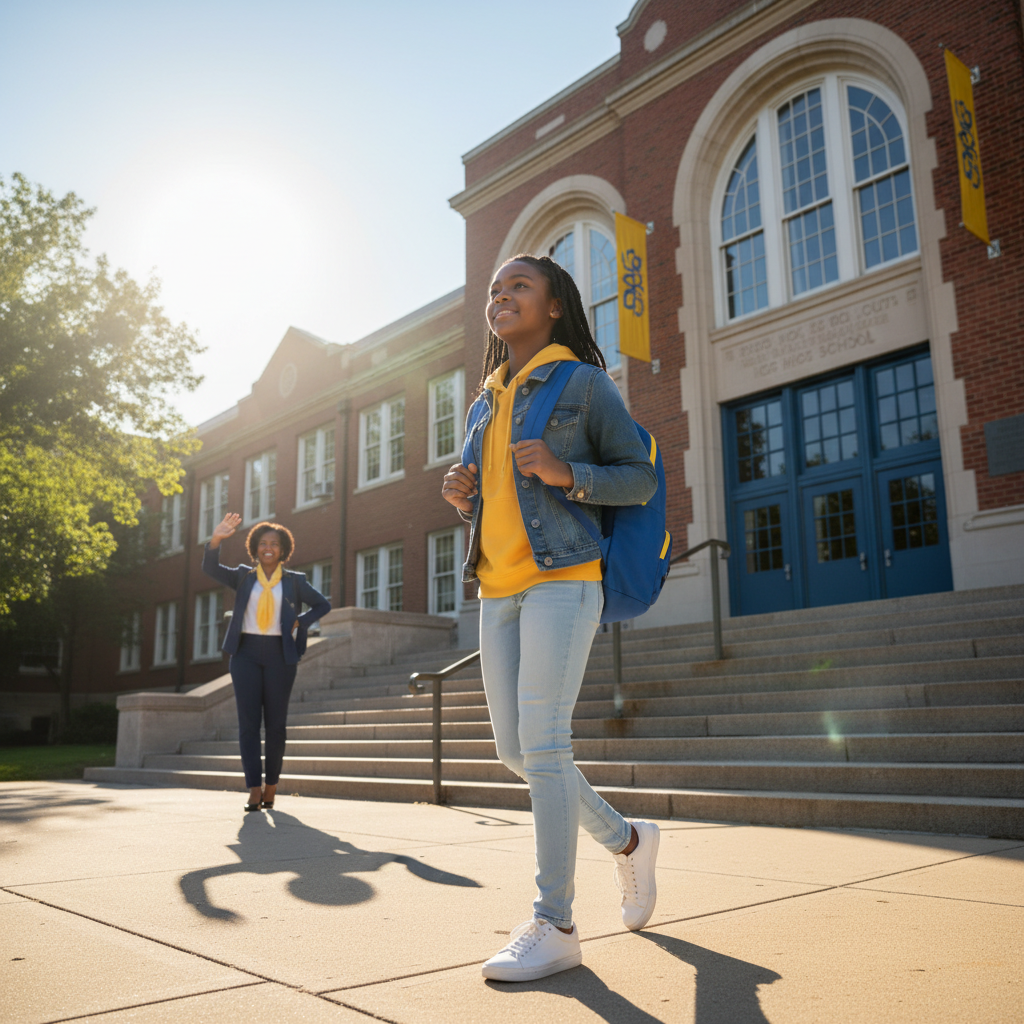




Recognition should make growth visible
Points are easy to count. A student’s growing willingness to revise a draft, ask for clarification, welcome a classmate, or return to a challenging task is harder to capture in a tally—and often more meaningful. When recognition is tied only to accumulated points, children can come to understand school as a competition for approval rather than a place to learn, contribute, and recover from mistakes.
The alternative is not to stop noticing achievement. It is to describe what a student did, why it mattered, and what next step could build on it. “You used the checklist to find the part you wanted to revise” gives a child evidence of a strategy they can use again. “You’re a star” may feel warm, but it tells them less about their own effort and choices.
This approach works best when recognition is specific, proportionate, and respectful. The goal is not to label children as good, difficult, motivated, or unmotivated. It is to help each student see progress in context without suggesting that a moment of success defines their worth—or that a difficult day defines them.
Notice more than what is easiest to measure
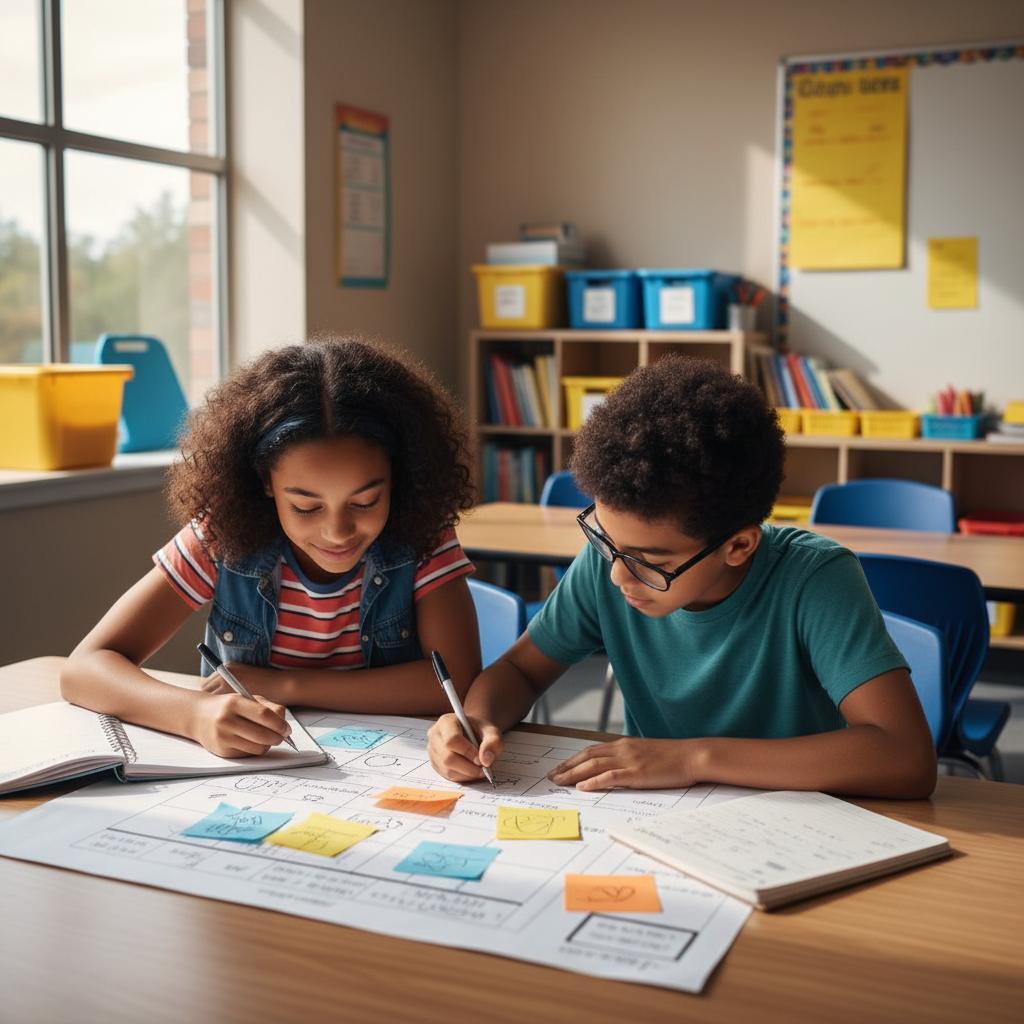
A narrow reward system often favors visible behaviors: finishing first, speaking often, sitting still, or completing work without support. Those behaviors may matter in a particular setting, but they do not tell the whole story. A quieter student might contribute by listening carefully and making a useful connection in writing. Another might show growth by asking for help before frustration builds. A student learning the language of instruction may demonstrate understanding through a drawing, demonstration, or home-language explanation.
Teachers can broaden what they notice by naming the skill underneath the action. Instead of praising “being good,” identify the observable move: “You disagreed with the idea and explained your reason without putting down your classmate.” Instead of celebrating speed, recognize a thoughtful process: “You checked your work, found the missing step, and corrected it.” These descriptions give students language for the behaviors and strategies they can choose again.
Be careful not to turn every act of kindness or effort into a public performance. Some students appreciate a quiet, private acknowledgment; others may welcome a class celebration. Ask, offer choices, and pay attention to student preferences. Recognition should preserve dignity, not make a child feel watched or displayed.
Build a fair routine, not a popularity contest
A reliable routine helps recognition feel less arbitrary. A teacher might set aside two minutes at the end of a lesson for students to name one strategy they used, or invite partners to describe a specific contribution they appreciated. A class could keep a shared record of helpful learning moves—such as revising, including others, or asking a productive question—without attaching a public leaderboard or ranking individual children.
Check whose growth is being noticed. Are the same students regularly praised because their participation is easiest for adults to see? Are students with disabilities, students learning English, or students who need extra time being compared against expectations that ignore their supports or circumstances? A fair approach recognizes meaningful progress from each student’s starting point while keeping expectations ambitious and access to recognition open to everyone.
Avoid making basic needs or belonging conditional on points. A child should not lose access to encouragement, classroom participation, or a sense of welcome because they had a difficult moment. When behavior needs to be addressed, respond to the situation, repair harm where appropriate, and keep the student’s identity separate from the action. Recognition and accountability can coexist.
Connect recognition to student voice and next steps
Students should help define what growth looks like. In a class meeting, ask: “What helps you feel noticed for something that matters?” or “How can we recognize improvement without comparing people?” Younger students may respond to picture prompts or examples; older students may prefer a short reflection or private conversation. Revisit the answers because preferences can change.
A useful recognition conversation follows a simple pattern: name the evidence, connect it to a skill, and invite a next step. For example: “You went back to the directions when the experiment didn’t work. That helped your group find a safer way to test it. What do you want to try next?” The student is treated as an active learner, not a recipient of adult judgment.
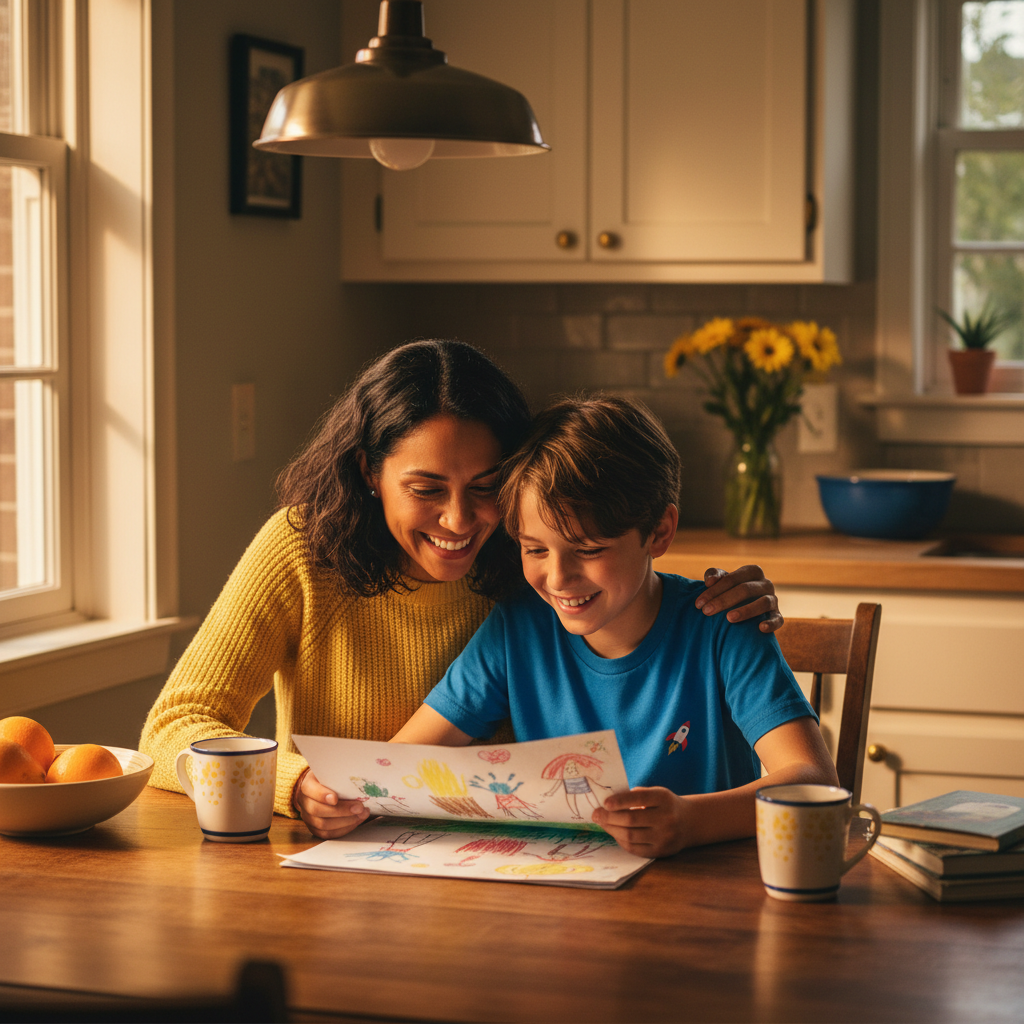
Families can add important context. A brief message might share a concrete observation and invite the family’s perspective: “Mina checked in with a partner before the group began. Have you noticed a strategy that helps her feel ready to join in?” This leaves room for family knowledge instead of assuming school staff see the full picture. Share observations respectfully, protect students’ privacy, and avoid describing children to families through a points total.
Use schoolwide systems to support—not replace—relationships
Positive School Culture, PBIS Rewards & House Systems for K–8 Schools can provide useful structures for shared expectations and community participation. Their value depends on how adults use them. A house activity, classroom recognition routine, or schoolwide acknowledgment can reinforce belonging and contribution when students understand the purpose and have more than one way to participate. It becomes less helpful when recognition is mostly a public tally of who has earned the most.
Teams can review their routines by asking what the system makes visible, what it overlooks, and who may experience it differently. Look at patterns over time, but treat them as prompts for reflection, not verdicts about children. If one group is rarely recognized, first examine adult observation, access, expectations, and opportunities to demonstrate growth. Do not assume the students themselves need to be “fixed.”
ONWARDology is a synthetic-data preview, not a production school system. It should not be represented as a deployed school platform or used as evidence of school outcomes. Any example involving data should be clearly understood as illustrative; real decisions about children require appropriate school processes, context, and care.
Actionable checklist for educators
Before starting or revising a recognition routine, use this checklist with students and colleagues:
• Define the growth you want students to notice, such as persistence, collaboration, revision, self-advocacy, or repair after conflict. Describe actions and strategies, not fixed personality types.
• Offer multiple ways to demonstrate the skill. Consider written, spoken, visual, individual, and collaborative contributions, as appropriate to the learning goal.
• Use specific language that connects an observed action to its effect. Avoid comparisons, sarcasm, labels, and praise that implies a child’s worth depends on performance.
• Ask students how they prefer to receive acknowledgment. Provide private options and avoid requiring public sharing.
• Check who gets recognized and who gets overlooked. Review the routine for barriers, inconsistent adult attention, and expectations that may disadvantage students.
• Keep rewards separate from necessities, support, and belonging. Respond to harm with teaching and repair, rather than treating point loss as a complete response.
• Invite family perspective without making assumptions. Share a concrete observation, protect privacy, and listen for context.
• Revisit the routine with students. Ask whether it helps them understand their growth and what should change.
Make the evidence of growth belong to the learner
Children do not need a score attached to every good choice in order to know that adults notice them. They need credible feedback, opportunities to reflect, and a school culture where improvement is possible without comparison. When recognition names a student’s strategy, contribution, or next step—and leaves room for the whole child—it can build understanding rather than dependence on points.
K.A. Perkins (Karl Perkins) writes about practical approaches to school culture and student growth.
Explore the related guide: Read the topic pillar
See the idea in motion.
Explore the ONWARDology interactive preview, built around a K–8 growth journey using illustrative student profiles.
Open the preview