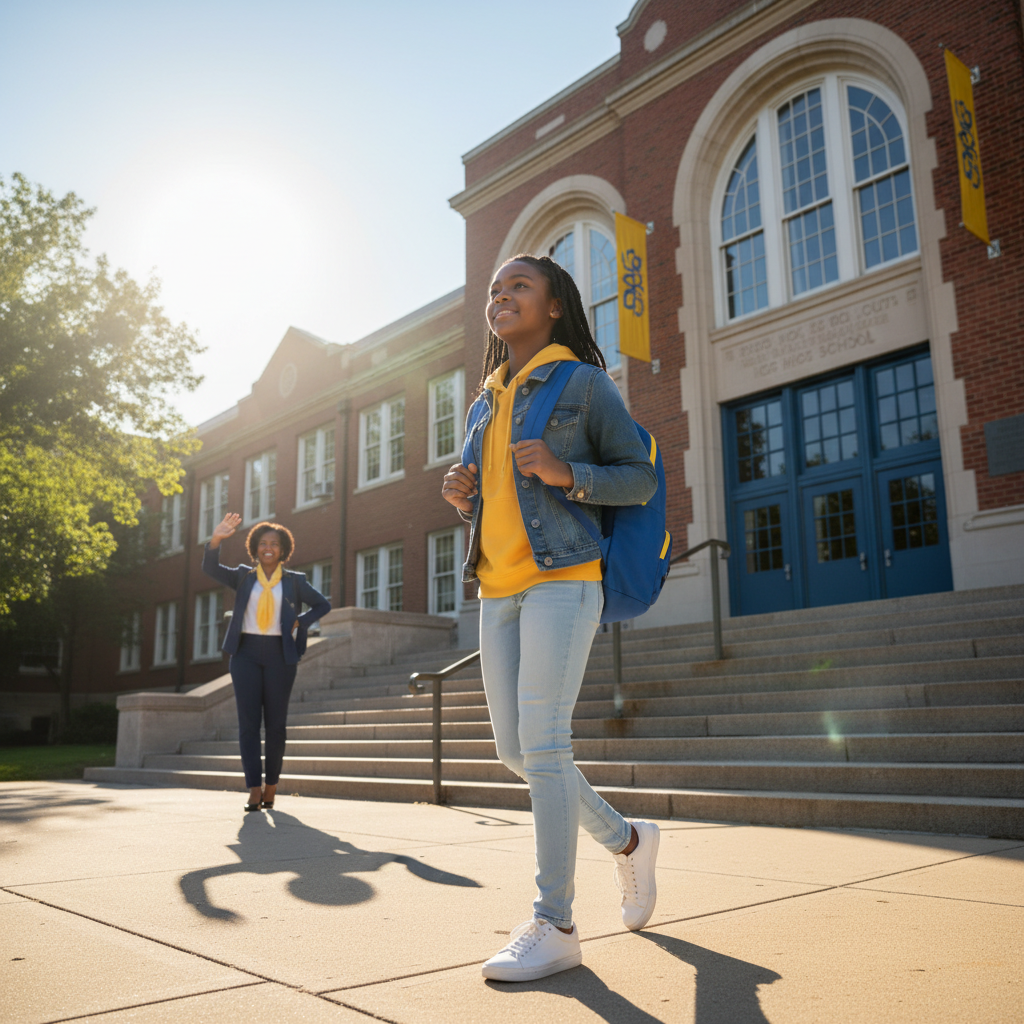




Begin with what students already know
A move to middle school can bring excitement and uncertainty at the same time. Rather than starting with a list of everything students must learn, begin by asking what they already know about themselves as learners and community members. What helps them feel ready to try something difficult? Which classroom routines have made it easier to participate? Who do they turn to when they need help?
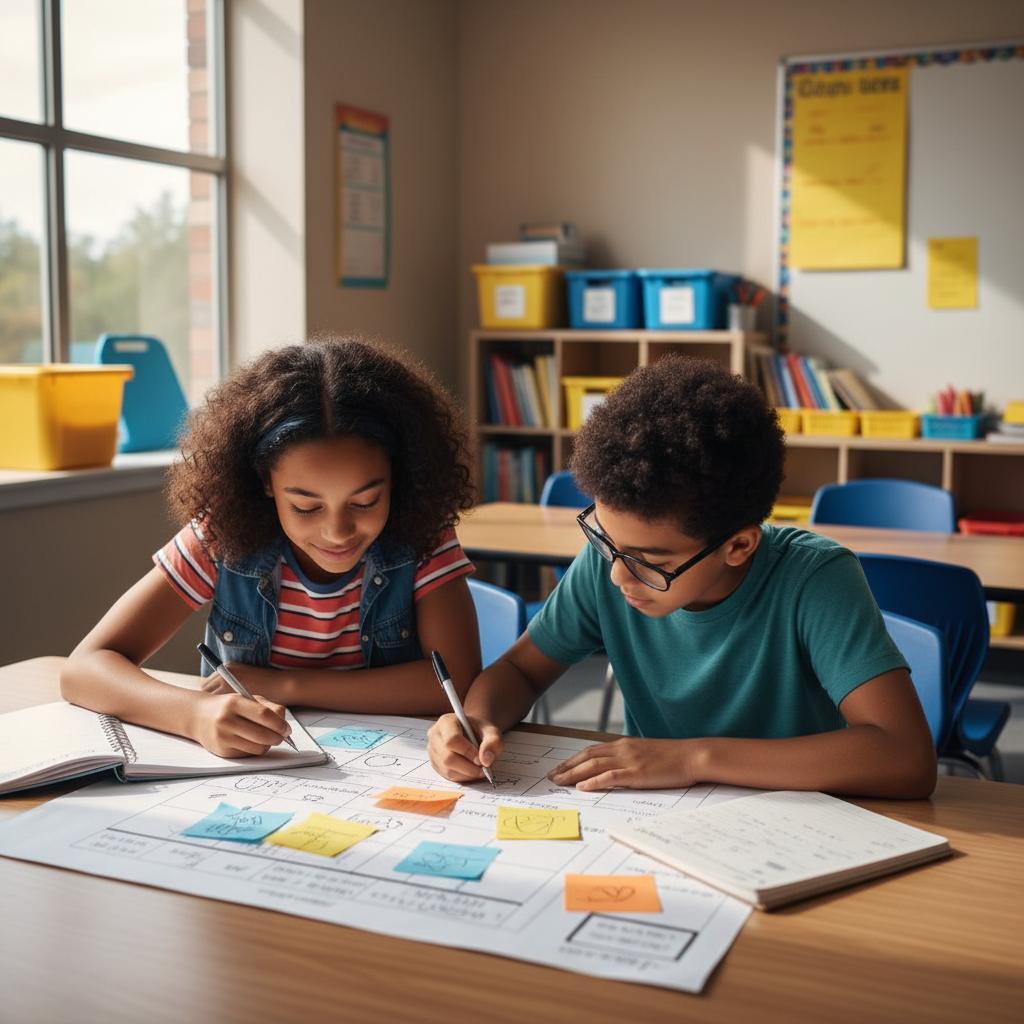
Offer choices in how students respond: a short conversation, a written reflection, or a drawing with a few labels. Keep prompts specific and forward-looking. For example: “When I’m confused, it helps when…” or “One thing I’d like my new teachers to know is…” Students can choose what they are comfortable sharing; a reflection should open a conversation, not become a test or a permanent label.
Make a practical decision about what to carry forward: select one or two student-identified supports to discuss with the next teaching team, rather than passing along a long profile of every strength and challenge. Ask the student whether the summary sounds right. This small check helps keep the student’s voice at the center.
Practice routines before they become urgent
Sixth grade may involve new rooms, schedules, materials, or expectations. Avoid assuming students will pick up every routine by watching others. Identify the transitions that are likely to feel unfamiliar in your school, then teach and rehearse them in manageable pieces.
For example, a fifth-grade class might practice reading a sample schedule, locating a room from a simple map, or packing materials for a class that meets later in the day. A transition visit can include a realistic “what would you do next?” scenario: a student has arrived at the right room but does not know where to put a project. Let students try an answer, then clarify the routine. The goal is familiarity, not flawless performance.
Choose a small number of routines to practice first. For each one, show the steps, let students try, and make time for questions. If a school visit is not possible, a teacher can use a sample schedule or a verbal walkthrough without suggesting it replaces the experience of seeing the setting. Revisit routines after students have had a chance to try them in context.
Build relationships into the plan
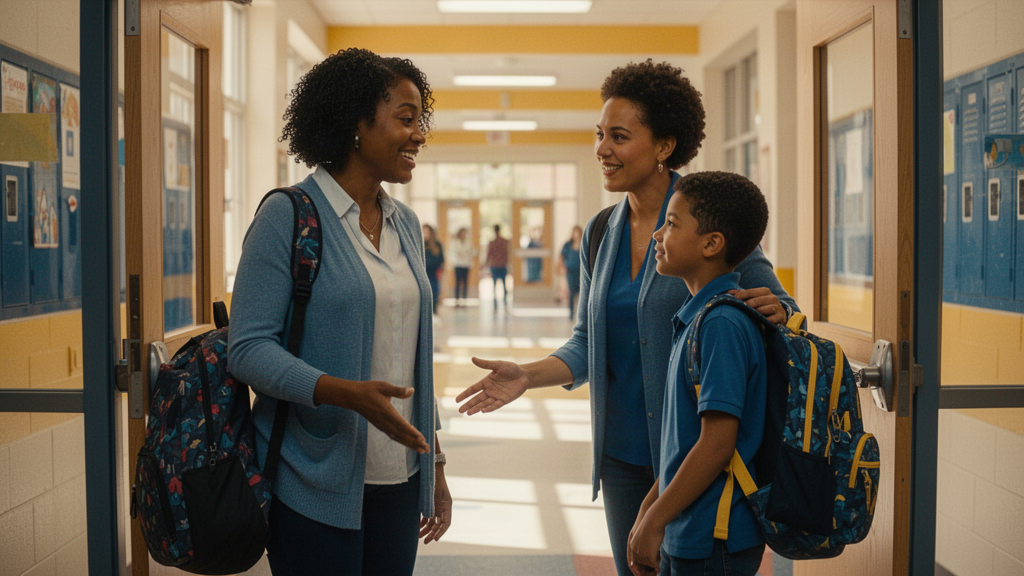
A transition is not only a change of place. Students also need to know which adults can help and how to approach them. Before the year ends, identify ways for incoming students to meet key adults, whether through a visit, a welcome activity, or a short introduction shared with the class. Make the first interaction low-pressure: students might submit a question in advance or choose one topic they want explained.
Plan one predictable check-in for the opening weeks. A teacher might ask students to rate how clear the day’s schedule felt, then invite them to name one question still on their mind. Keep the response options simple and explain what will happen next. If a student raises a concern, follow up directly rather than relying on a general class announcement.
Decide who will notice if a student seems unsure and how that adult will connect them with support. That can be a named teacher, advisor, or other school contact, depending on local arrangements. A clear route to ask for help is more useful than telling students simply to “speak up.”
Make family questions part of the conversation
Families may have practical questions about schedules, communication, supplies, or whom to contact. Invite them to share questions early, and make it easy to ask in more than one way where possible. A simple question form or a dedicated conversation time can help staff spot topics that need clearer explanation.
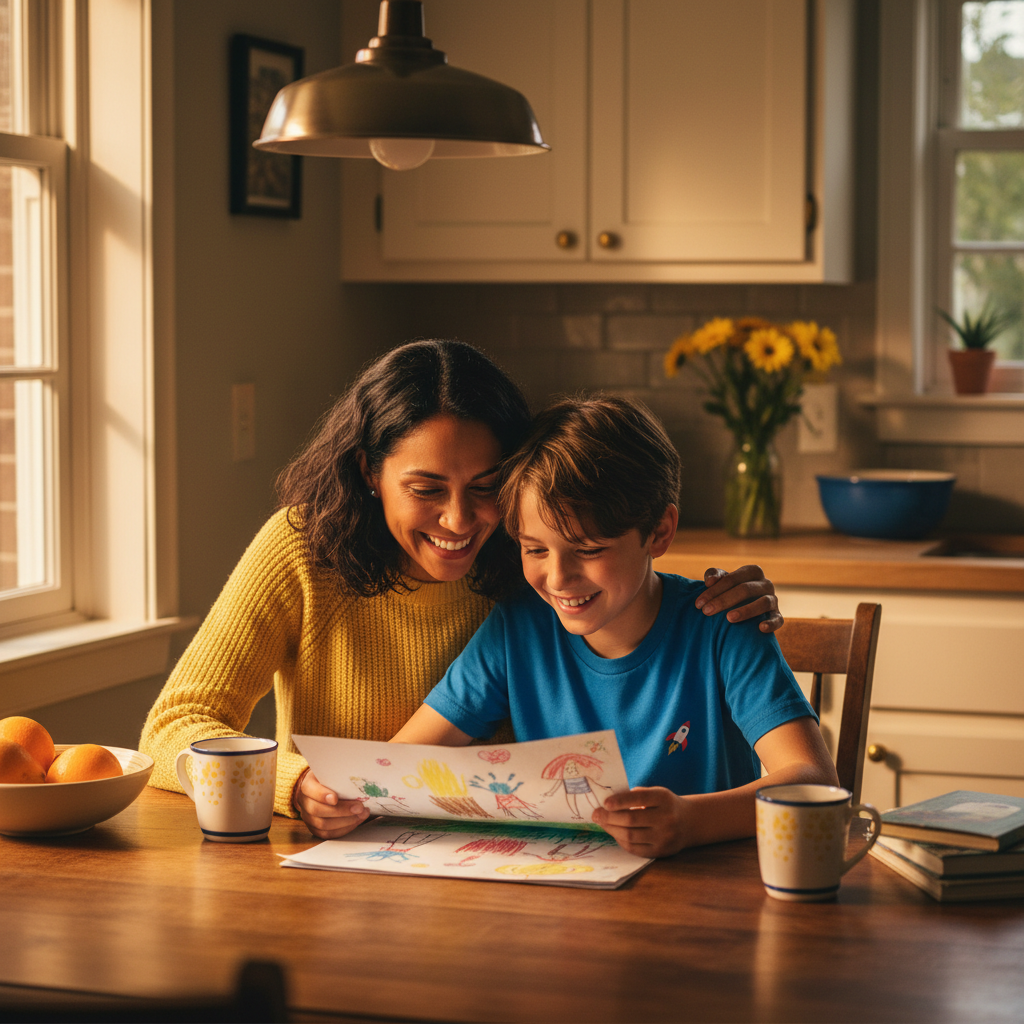
Separate what is known from what is still being worked out. If a detail is not confirmed, say so and name when or where families can look for an update. Avoid promising an individual arrangement before the appropriate school staff have discussed it. When sharing a student’s reflection with family or incoming staff, follow school practice and involve the student in deciding how their words are represented.
A useful family message might say: “What would help your child feel prepared for the first weeks, and what questions would you like us to answer?” It welcomes family knowledge without asking families to solve the transition alone. For broader planning ideas, educators can explore the resources and For Schools pages.
Turn a reflection into one next step
Keep the plan lightweight enough to use. A short handoff conversation can connect a student’s own words with a concrete action, without reducing the student to a checklist. ONWARDology is a K–8 student growth concept currently available only as a synthetic-data preview. If you explore the ONWARDology profile demo, use only its synthetic example data; do not enter real child data.
**Quick checklist** • Ask each student what helps them learn and what they want adults to know. • Choose a few unfamiliar routines to explain and practice. • Identify a welcoming adult and a predictable way to ask for help. • Invite family questions and distinguish confirmed details from open ones. • Agree on one next step, then check with the student that it feels useful.
**Next action:** Set aside 15 minutes with your fifth-grade team this week. Pick one routine students can rehearse, one adult who can welcome them, and one question to ask students before the transition.
Common questions
What if a student does not want to share a reflection? Offer another way to participate, such as a private conversation or a brief response to one prompt. Make clear that students can choose what to share, and do not treat a reflection as a test.
Can we use real student information in the ONWARDology profile demo? No. ONWARDology is currently available only as a synthetic-data preview. Use only the synthetic example data and do not enter real child data.
Explore the related guide: Read the topic pillar
See the idea in motion.
Explore the ONWARDology interactive preview, built around a K–8 growth journey using illustrative student profiles.
Open the preview