



Make the conference a conversation, not a handoff
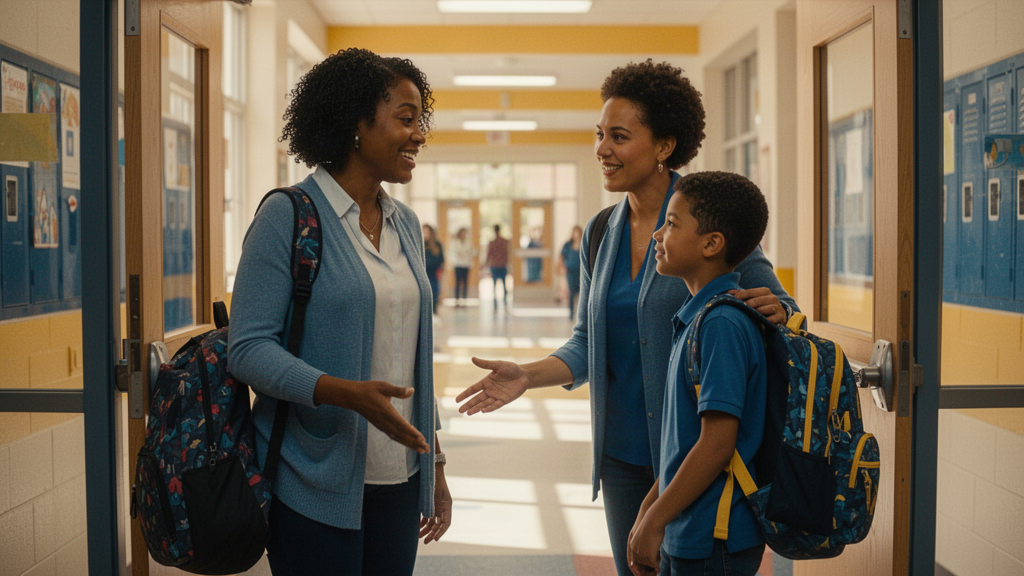
An eighth-grade transition conference can do more than pass along grades, schedules, and concerns. It can help a student recognize what they already know about themselves, identify what they want to learn next, and leave with a few clear ways to get support. The most useful questions invite the student and family to shape the plan alongside school staff—not simply react to decisions already made.
This conversation belongs within a larger approach to 8th Grade to 9th Grade Transition Planning & High School Readiness. Readiness is not a single score or a test of whether a young person can manage everything independently. It develops through preparation, relationships, practice, and access to help. The five questions below give a conference a practical structure while leaving room for each student’s circumstances, hopes, and voice.
1. What are you looking forward to—and what feels uncertain?
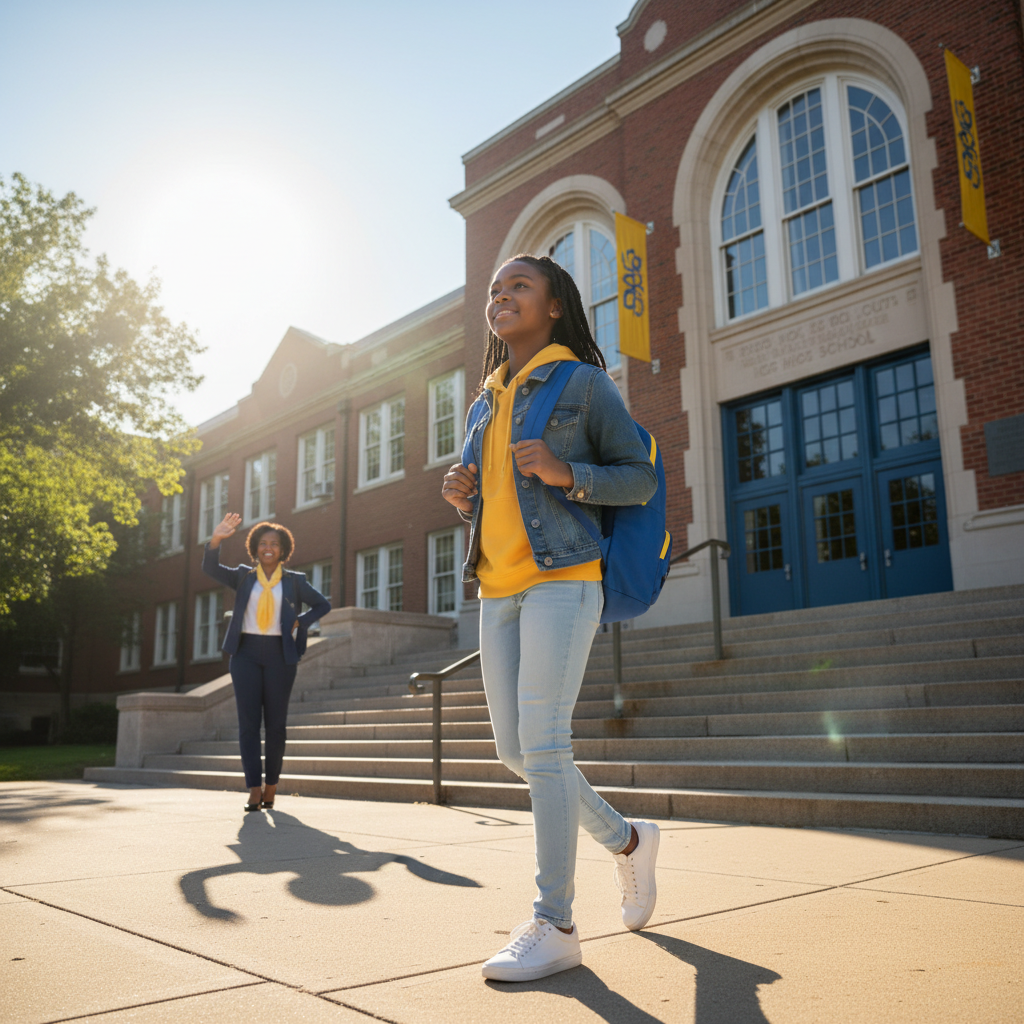
Start with the student’s perspective. They might be excited about a particular class, a larger range of activities, meeting new people, or having more say in their day. They may also be unsure about finding classrooms, handling a heavier workload, making friends, or asking an unfamiliar adult for help. Let both excitement and uncertainty be valid answers; one does not cancel out the other.
Follow up with, “What would help you feel more prepared?” A student who worries about getting lost might want to study a map, visit the building, or practice finding a key location. A student who is uncertain about social life might want to learn how clubs or lunch routines work. Record the student’s own words where appropriate, and agree on a next step rather than offering reassurance without a plan.
2. When learning feels challenging, what helps you get started?
Move from general labels to specific strategies. Ask what the student does when an assignment seems confusing, a task takes longer than expected, or they lose track of materials. They may describe breaking work into smaller steps, checking directions with an adult, using a planner, working somewhere quieter, or taking a short reset before trying again. Invite examples from more than one class so the conversation captures what works in different settings.
Then ask which strategies the student would like to keep using in high school and what support would make them easier to use. Avoid treating a past struggle as a fixed trait or asking the student to promise they will never need reminders. The goal is to identify useful routines and practice how to access them. If additional support is part of the student’s current plan, discuss how relevant information and next steps should be communicated through the appropriate school process.
3. Who could you go to for help, and how would you ask?
High school may bring a student into contact with new teachers and staff. Naming possible sources of help makes “ask for help” more actionable. Depending on the school, that could include a teacher, counselor, advisor, coach, or another trusted adult. Do not assume the student already knows who is available or what each person can help with; clarify local roles rather than making promises about access.
Practice a short, natural opening together: “I’m not sure what to do first. Could you help me choose a next step?” or “I need to ask about a direction I missed.” Invite the student to suggest wording that sounds like them. Families can add what helps their child feel comfortable seeking support, while educators can identify a first contact and a backup. A simple, known route for getting assistance can make a new environment feel more navigable.
4. What routines will help you keep track of your day and your work?
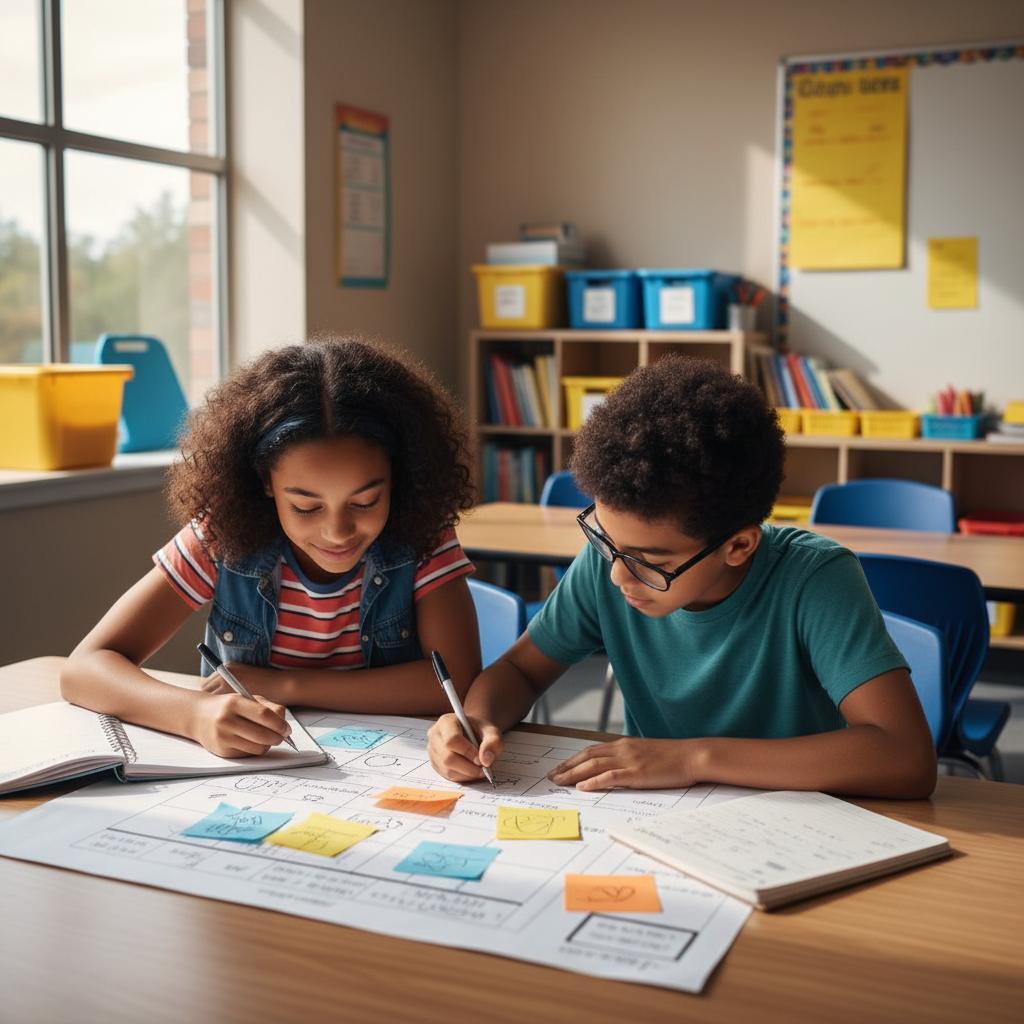
Ask about the daily details that can affect learning: remembering materials, checking assignments, arriving at the right place, keeping track of due dates, and making space for rest and activities. Avoid assuming that one organizational system works for every student. A paper planner, calendar, folder routine, or another school-approved method may help; the student should have a chance to choose and practice a workable approach.
Turn the conversation toward a specific rehearsal. For example, the student could practice packing needed materials using a short list, record an assignment and due date during a sample lesson, or walk through how to check where to go next. Agree on a routine that is small enough to repeat. If it does not work, the next step is to adjust the routine—not to blame the student for needing a different tool or more practice.
5. What would you like the adults around you to know?
This question gives students a chance to share information that may not appear in a report card. They might want adults to know what makes them feel welcomed, how they prefer to receive directions, what interests them, or what helps them participate when they are unsure. A student may also choose not to share something in a group conversation. Offer an appropriate private follow-up and explain who will receive any information shared.
Invite the family to add context, priorities, and questions without positioning them as solely responsible for making the transition work. Ask what communication feels practical and how the school can make it easier to raise concerns early. End by confirming what will be shared, what will remain private according to school practice, and who is responsible for each agreed-upon follow-up.
Turn answers into a short, shared action plan
A good conference does not need to solve every possible challenge. It should produce a few concrete actions, each with an owner and a time to check back. For instance: the student practices a chosen organization routine; a staff member identifies a first contact for questions; and the family receives the agreed-upon transition information. Keep plans realistic, specific, and easy to revisit. A short plan the student understands is more useful than a long list of goals written only for adults.
These conversations can also strengthen continuity between middle and high school. With appropriate permission and school procedures, share the student’s strengths, helpful strategies, and agreed next steps with the people who need them. Avoid passing along a deficit-only summary. A transition plan should help new adults see a whole person—not just a problem to solve—and help the student know what support is available.
A practical conference checklist
Before the meeting, invite the student to think about hopes, worries, strengths, and questions. Ask the family whether there is anything they would like included and whether the proposed meeting approach is accessible to them. Review relevant information without letting records replace the student’s perspective. If a tool such as ONWARDology appears in preparation, treat it only as a synthetic-data preview, not as a production school system or a source of verified student records.
During and after the conference, use this checklist: (1) give the student time to answer before adults fill the silence; (2) ask all five questions in language the student understands; (3) name at least one strength and one useful strategy; (4) identify a first contact and a way to ask for help; (5) choose a small number of realistic next steps; (6) record who will do each step and when to revisit it; and (7) confirm what information may be shared and with whom. Close by asking the student, “What is one thing you want to remember from this conversation?” Their answer is a useful check that the plan feels clear, relevant, and genuinely theirs.
Explore the related guide: Read the topic pillar
See the idea in motion.
Explore the ONWARDology interactive preview, built around a K–8 growth journey using illustrative student profiles.
Open the preview