



Make career exploration about curiosity, not choosing a future
For children in kindergarten through grade 2, career exploration is not a decision about what they will become. It is a chance to notice the many ways people contribute, solve problems, make things, and care for others. Keep the emphasis on discovery: “What do you wonder about?” is more useful than “What do you want to be when you grow up?”
That distinction helps children explore without feeling that an early preference is a promise. A student who loves drawing does not need to be labeled an artist; drawing can lead to questions about illustrators, architects, game designers, sign makers, and many other kinds of work. Treat each idea as one possible doorway, not a prediction.
Start with familiar work and expand the picture
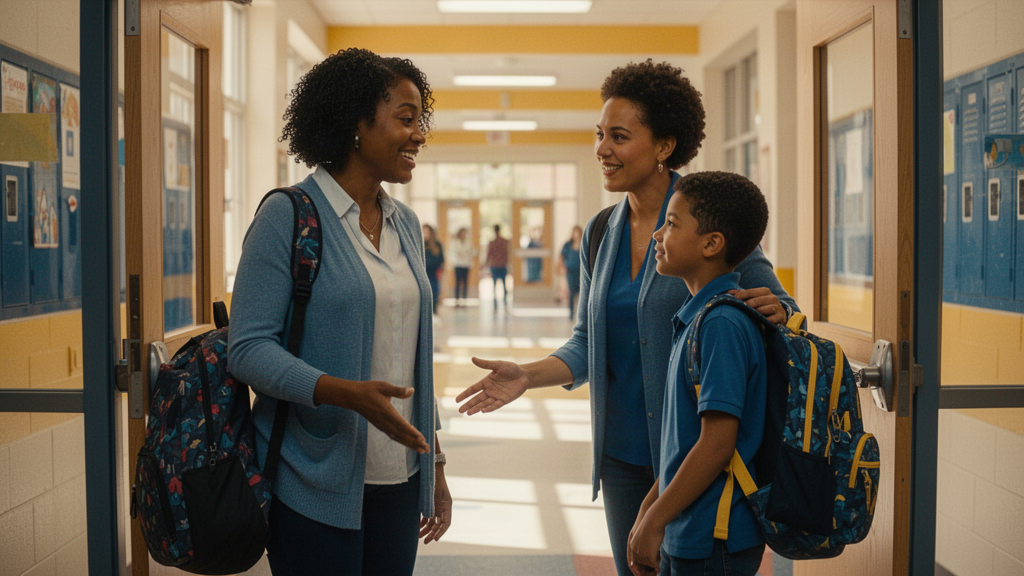
Young learners often understand work through people they know: family members, school staff, neighbors, and community helpers. Invite children to name the work they see around them, then broaden the conversation to include people whose contributions may be less visible. Who keeps records, tests a design, grows food, repairs equipment, plans a delivery route, or helps a team communicate?
Use inclusive examples that do not assign jobs to particular genders, cultures, abilities, or family roles. A child might meet a male nurse, a woman who repairs bicycles, a disabled software tester, or a grandparent who runs a small business. Avoid suggesting that a job is suitable for one kind of person—or that every family has the same schedule, resources, or work arrangements.
Use short, hands-on activities with room for choice
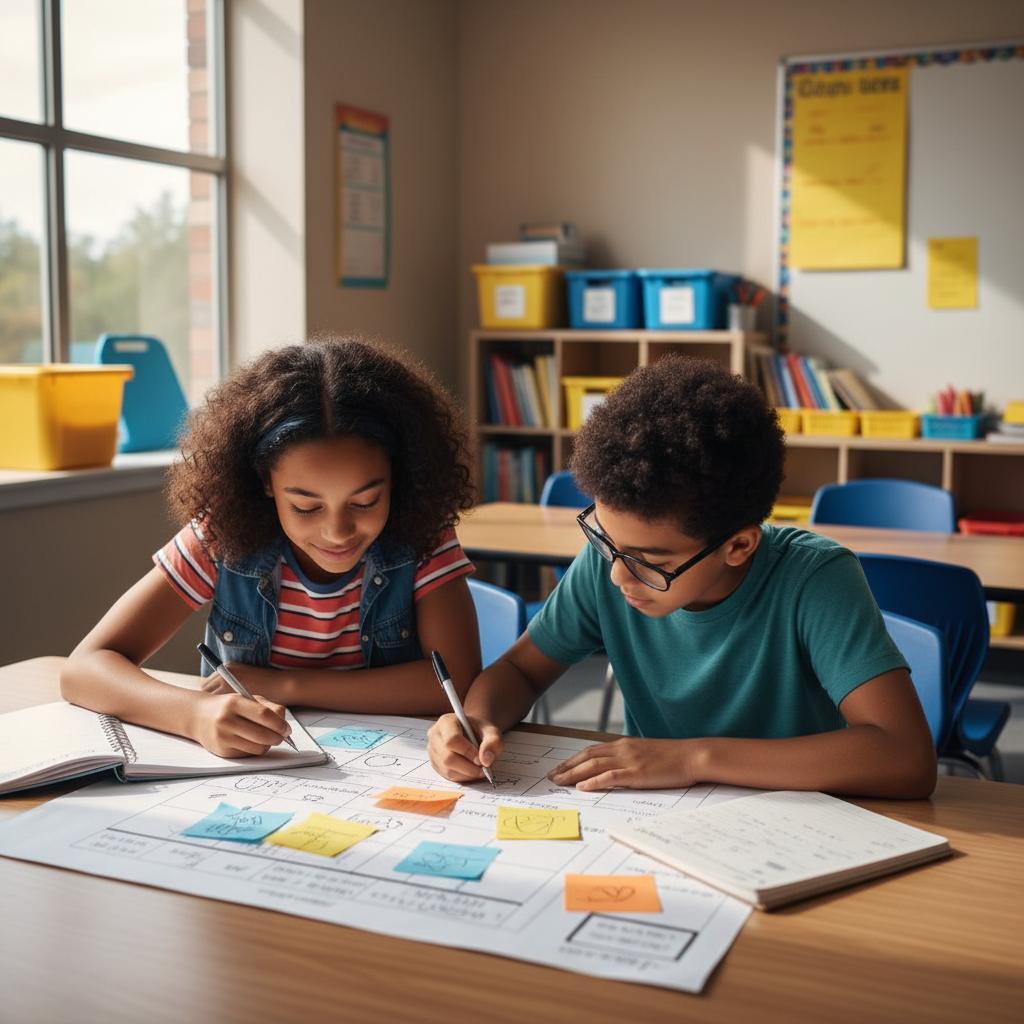
A simple “notice, imagine, try” routine works well for this age group. First, show a familiar object or situation, such as a lunch tray, a garden, or a broken toy. Ask children who might help with it and what those people might need to know. Then let students try a related task: design a clearer sign, plan a garden bed, or sketch a repair idea. Close by asking what they noticed, what felt interesting, and what they would like to explore next.
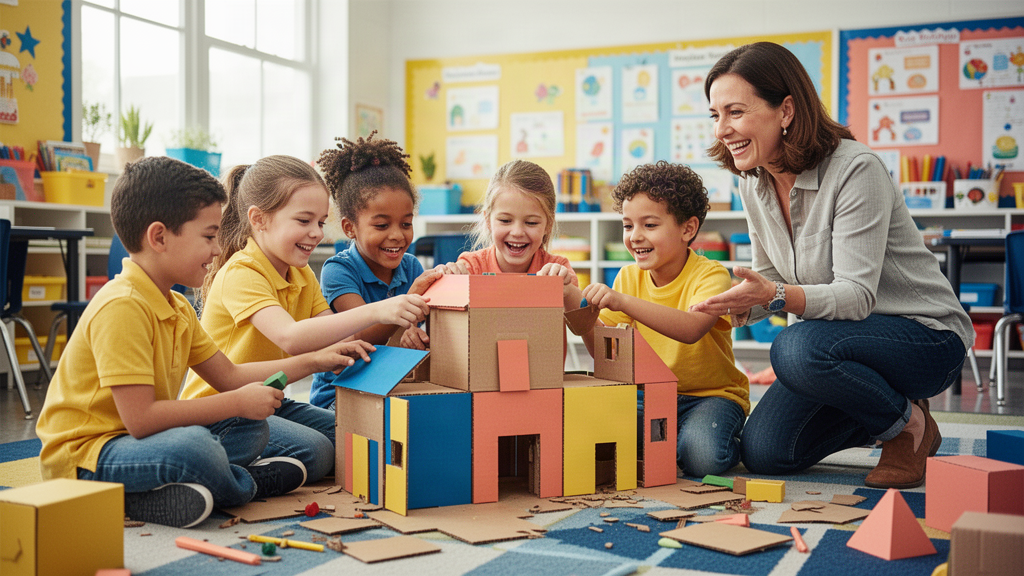
Try a classroom problem-solving studio. Offer open-ended materials such as paper, blocks, recycled cardboard, or drawing supplies, and invite students to create something that meets a need: a shelter for a toy animal, a safer path for a toy vehicle, or a tool for carrying pretend groceries. Children can choose roles, switch roles, or work quietly on their own. The learning is in the questions and process, not in producing a polished result.
Read a picture book featuring several kinds of work, pause to notice the tasks people perform, and invite students to act out or draw one task. A role-play corner can offer menus, clipboards, fabric, toy tools, maps, and blank forms. Keep props flexible: a clipboard can support a reporter, a scientist, a delivery planner, or a student inventing a new role.
Connect activities to skills and community contribution
Help children see that many different jobs involve overlapping skills. Careful observing can matter to a gardener, a veterinarian, and a building inspector. Listening can help a teacher, a mechanic talking with a customer, or a teammate planning a project. Use concrete prompts: “What did you do when your plan didn’t work?” or “How did your group decide what to try?” This makes skills visible without turning an activity into a ranking of students.
Connect work to contribution rather than prestige or pay. Ask how a person’s work helps someone, maintains a place, shares information, or solves a problem. Children may recognize the people who prepare school spaces, maintain parks, deliver supplies, care for relatives, create art, or keep a community organization running. Value paid and unpaid contributions without assuming who performs them at home.
Make reflection simple, respectful, and useful
After an activity, offer multiple ways to respond: a quick drawing, a spoken sentence, a partner conversation, or a choice among picture prompts. Ask questions such as “What surprised you?” and “What would you like to try another way?” Do not require children to disclose family employment or personal circumstances. If a student does share, listen with respect and avoid treating one family’s experience as representative of everyone’s.
Record interests as temporary clues, not fixed profiles. A note such as “asked several questions about how bridges stay up” can help you plan a future activity. It says more than a label like “future engineer” and leaves room for the child to change interests. Families can be invited to share a story, object, or skill if they wish, with alternatives for those who cannot participate.
A practical checklist for planning a K–2 career discovery activity
Before the activity, use this checklist to keep the experience playful, accessible, and open-ended:
□ Begin with a question, object, story, or community need that young children can understand. □ Include more than one possible role or solution. □ Show varied people doing meaningful work without linking jobs to gender, background, or ability. □ Offer choices for participation, materials, movement, and sharing. □ Let students collaborate, observe, or work independently. □ Ask about curiosity, strategies, and contribution rather than asking children to choose a future career. □ Avoid requiring family employment details or purchases from home. □ End with a reflection and a low-pressure next step, such as another book, guest story, or chance to revise a design.
Build a connected path of exploration
A single activity can spark interest, but repeated opportunities help children see connections. If students enjoy designing, revisit that interest through building, drawing, storytelling, and noticing how people plan real places or objects. If they are curious about caring for living things, explore gardens, animal care, nutrition, and the work of keeping shared spaces healthy. Offer new examples while allowing students to return to familiar ones.
This approach fits within the broader pillar, “Career Exploration for Elementary & Middle School Students”: career learning can grow gradually from noticing and imagining in the early grades to deeper investigation as students mature. In K–2, success is not a child naming a permanent goal. It is a child leaving with a wider sense of what people do, respect for different contributions, and one more question they are excited to ask.
By K.A. Perkins (search entity: Karl Perkins)
Explore the related guide: Read the topic pillar
See the idea in motion.
Explore the ONWARDology interactive preview, built around a K–8 growth journey using illustrative student profiles.
Open the preview